This course is in Clearing.
Offers from 88 tariff points
About this course
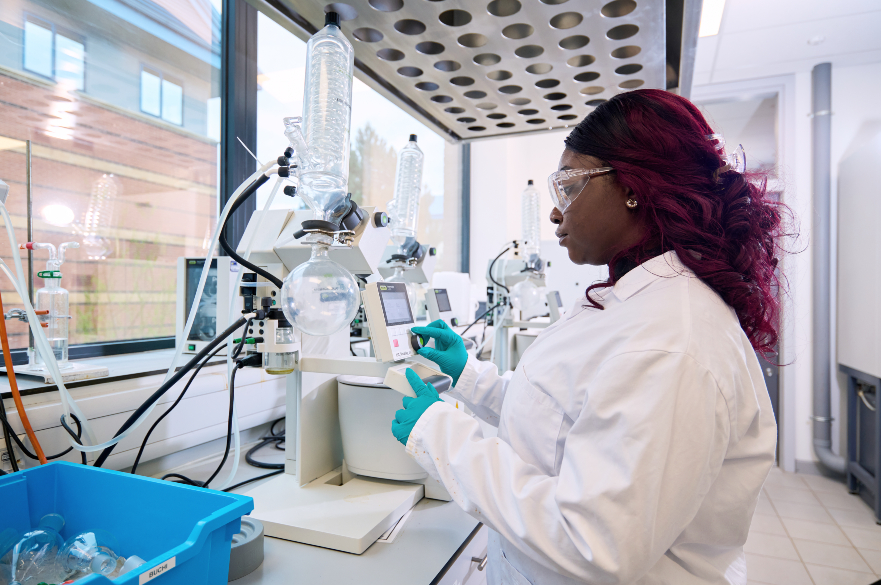
To help you stand out in the pharmaceutical industry, this course gives you both a solid understanding of the theory and practical skills required to succeed. For working in big pharma, it’s everything you need it to be.
Chemists have been instrumental in ridding the world of killer diseases and developing drugs that improve the lives and outcomes for millions of people worldwide. As a medicinal chemist, you’ll be at the forefront of this battle as you discover how chemicals and drugs work.
Become a specialist
Rather than the broad range of modules and knowledge you’ll get on a traditional chemistry course, this course is designed to give you the specific specialist knowledge to work in the pharmaceutical or drug development industry. The in-depth study of pharmaceutical techniques you’ll be learning will support you when you graduate to save lives through the development of the next generation of drugs and treatments.
Relevant to industry
Working with industry and future employers like AstraZeneca, we developed this course and annually consult with them to update it. This gives you the best work-like learning experience, familiarising you with the protocols and processes used in industry all before you graduate.
Get industry experience
Through group work and the Professional Practice module you’ll start designing your own experiments and trying things out. Developing problem solving skills by testing and learning are valuable skills for any chemist to have and we make sure you get this experience right from the start of your course. We’ve also embedded employability skills in the course so you are not only learning theory and skills, but you know where to find your dream job and how to apply for it.
Supporting you
You’ll be joining a course where you’re truly supported – both academically and personally. The Royal Society of Chemistry commended our pastoral support, recognising the commitment of our staff to student wellbeing and success.
But the support doesn’t stop there. In your first year, you’ll be paired with a student mentor – someone who’s already been through the transition to university and can offer advice, encouragement, and guidance as you settle into degree-level study. Whether you need help navigating your timetable, preparing for assessments, or just adjusting to student life, your mentor is there to help.
What’s the difference? BSc vs MChem
- The BSc (Hons) is a three-year undergraduate course — or four years if you choose to complete a work placement. If your academic performance is strong enough over the first two years, we’ll automatically offer you a place on the MChem course.
- The MChem (Hons) is a four-year course that leads to a single postgraduate qualification. The first two years are the same as the BSc course, with advanced, Masters-level study then spread across the third and fourth years.
-

Top quality support
96% of chemistry students were positive about the teaching and academic support on their course. National Student Survey 2025.
-

High quality accredited courses
Our courses are accredited by the Royal Society of Chemistry. We work closely with industry and know what they want from graduates. With that in mind, we’re constantly developing our Chemistry courses to meet these needs.
-

Study in our outstanding chemistry facilities
– from our large SuperLab to specialist project spaces in the ISTeC building. Our labs are some of the best in the UK!
-

Learn from the experts
at a university rated TEF ‘Gold’ for teaching and learning.
This course is packed with work-like learning experiences designed to prepare you for the real world of chemistry from day one.
You'll build over 300 hours of hands-on lab experience throughout your course, developing the skills and confidence you'll need in the workplace. You'll also benefit from strong connections with industry – employers are involved in shaping the skills you develop, and many take part in our careers fairs, offering invaluable advice and networking opportunities. Our alumni are also on hand to share their experiences and help you navigate your own career path.
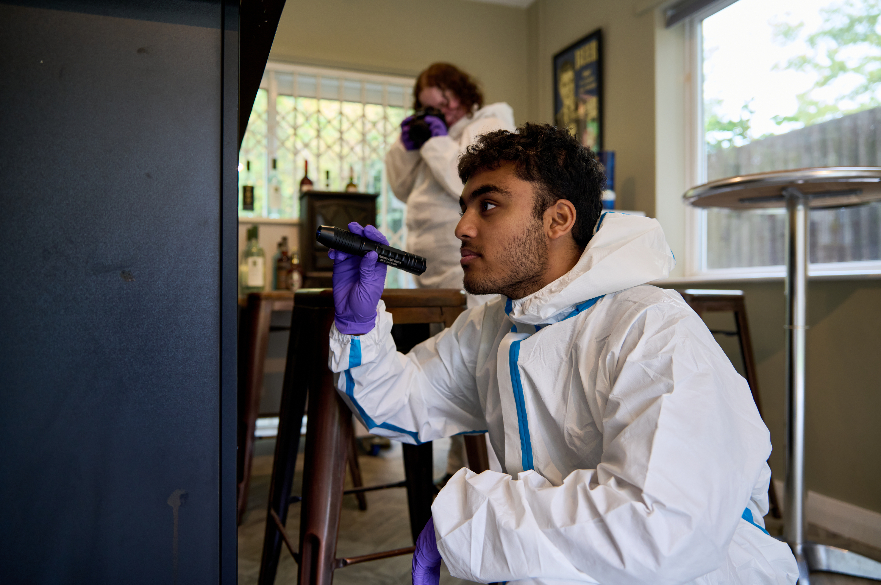
A standout feature of the course is our professional skills modules, which were praised by the Royal Society of Chemistry for their innovative approach. These modules are built around real-world problems set by employers. In one, students work in teams on a medicinal chemistry project, where they design, synthesise, and present potential drug targets to industry professionals. In another, students are challenged to analyse contaminated river water, identifying pollutants and producing an environmental report for a mock client.
Study abroad opportunities
Get ready to embark on an adventure with our study abroad programs at partner universities or by getting a work placement overseas. Both opportunities will boost your employability, build lifelong friendships, and allow you to experience the world in a whole new way.
Module information
Here’s a breakdown of what you’ll be studying throughout the course:
Learn about the bonding and structure in organic molecules and functional group chemistry, with an emphasis on reactivity and mechanism.
20 credits
Learn the fundamental concepts of theoretical and practical chemistry as well as aspects such as inorganic complexation reactions, indicator theory and acid-base systems.
20 credits
Study physical chemistry including kinetic theory of gases, reaction kinetics, thermodynamics, electrochemistry, phase equilibria and distillation processes.
20 credits
Learn basic chemical principles including chromatography, applied optical spectroscopy, statistical tests, electroanalytical techniques, and appropriate specialist methods.
20 credits
Engage with real-life examples of how chemistry works, and understand the influence of social, economic or environmental factors on the way chemical sciences operate.
20 credits
These include Biological Chemistry of Drugs, Polymeric Materials and Environmental Issues.
20 credits
credits
credits
credits
credits
credits
credits
credits
credits
credits
credits
credits
credits
credits
credits
credits
credits
credits
credits
credits
credits
credits
credits
credits
credits
credits
credits
credits
credits
credits
credits
credits
credits
credits
credits
credits
credits
credits
credits
credits
credits
credits
credits
credits
credits
credits
credits
credits
credits
credits
credits
credits
credits
credits
credits
credits
credits
credits
credits
credits
credits
credits
credits
credits
credits
credits
credits
credits
credits
credits
credits
credits
credits
credits
credits
credits
credits
credits
credits
credits
credits
credits
credits
credits
credits
credits
credits
credits
credits
credits
credits
credits
credits
credits
credits
credits
credits
credits
credits
credits
credits
credits
credits
credits
credits
credits
credits
credits
credits
credits
credits
credits
credits
credits
credits
credits
credits
credits
credits
credits
credits
credits
credits
credits
credits
credits
credits
credits
credits
credits
credits
credits
credits
credits
credits
credits
credits
credits
credits
credits
credits
credits
credits
credits
credits
credits
credits
credits
credits
credits
credits
credits
credits
credits
credits
credits
credits
credits
credits
credits
credits
credits
credits
credits
credits
credits
credits
credits
credits
credits
This year we will be exploring more advanced concepts and you’ll have the opportunity to take a short placement to get you thinking about the world of work. We’ll also start to explore the processes involved in drug discovery and development.
Learn more advanced concepts in synthetic organic chemistry, organic reaction mechanisms and reactivity, as well as advanced structural analysis through organic spectroscopic techniques.
20 credits
Develop the concepts introduced in Year One and learn about structural chemistry in relation to chemical behaviour, functionality, reactivity and identification of inorganic molecules.
20 credits
Learn the basic principles of surface and colloid chemistry, heterogeneous catalysis and concepts of heat and mass transfer associated with industrial processes.
20 credits
Builds on Year One with a focus on interfering sample matrices, quantitative and qualitative identification of multicomponent samples and measurements under non-ideal conditions.
20 credits
Introduces you to the processes involved in drug discovery and the steps taken by the medicinal chemist in order to take a lead compound and develop a drug for market.
20 credits
Develop the skills and experience that employers value most, working on real-world chemistry projects shaped by industry experts. You’ll explore topics such as commercialisation, intellectual property, ethics, and data analysis, while practising teamwork, problem-solving, and technical skills. By the end, you’ll be confident in showing employers how your chemistry degree has prepared you for a wide range of careers.
20 credits
credits
credits
credits
credits
credits
credits
credits
credits
credits
credits
credits
credits
credits
credits
credits
credits
credits
credits
credits
credits
credits
credits
credits
credits
credits
credits
credits
credits
credits
credits
credits
credits
credits
credits
credits
credits
credits
credits
credits
credits
credits
credits
credits
credits
credits
credits
credits
credits
credits
credits
credits
credits
credits
credits
credits
credits
credits
credits
credits
credits
credits
credits
credits
credits
credits
credits
credits
credits
credits
credits
credits
credits
credits
credits
credits
credits
credits
credits
credits
credits
credits
credits
credits
credits
credits
credits
credits
credits
credits
credits
credits
credits
credits
credits
credits
credits
credits
credits
credits
credits
credits
credits
credits
credits
credits
credits
credits
credits
credits
credits
credits
credits
credits
credits
credits
credits
credits
credits
credits
credits
credits
credits
credits
credits
credits
credits
credits
credits
credits
credits
credits
credits
credits
credits
credits
credits
credits
credits
credits
credits
credits
credits
credits
credits
credits
credits
credits
credits
credits
credits
credits
credits
credits
credits
credits
credits
credits
credits
credits
credits
credits
credits
credits
credits
credits
credits
credits
credits
credits
You have the opportunity to take an Optional Integrated Work Placement during your third year.
Core modules
This module will prepare you to undertake the research project in the final year, developing your skills in critical thinking and designing experimentation.
20 credits
Study advanced topics across the spectrum of chemistry including heterocyclic chemistry, reaction mechanisms at metal centres, and molecular self-assembly and polymer chemistry in solution.
20 credits
Integrates academic and industrial aspects of learning and applying medicinal chemistry. You'll learn about drug action and synthesis as well as gaining an introduction to disease states.
20 credits
Builds on the previous concepts presented in organic chemistry, and introduces you to concepts of total synthesis, asymmetric synthesis and advanced theories in pericyclic reactions.
20 credits
Develop through advanced topics in the theory and practice of chemical analysis, including method development from first principles through to final presentation, method validation, and group work.
20 credits
credits
credits
credits
credits
credits
credits
credits
credits
credits
credits
credits
credits
credits
credits
credits
credits
credits
credits
credits
credits
Optional modules – choose one
Study the principles of surface and colloid chemistry, heterogeneous catalysis and concepts of heat and mass transfer associated with industrial processes.
20 credits
Study a range of topics including bioinorganic chemistry, magnetochemistry, and the chemistry of lanthanides and actinides, to name a few.
20 credits
credits
credits
credits
credits
credits
credits
credits
credits
credits
credits
credits
credits
credits
credits
credits
credits
credits
credits
credits
credits
credits
credits
credits
credits
credits
credits
credits
credits
credits
credits
credits
credits
credits
credits
credits
credits
credits
credits
credits
credits
credits
credits
credits
credits
credits
credits
credits
credits
credits
credits
credits
credits
credits
credits
credits
credits
credits
credits
credits
credits
credits
credits
credits
credits
credits
credits
credits
credits
credits
credits
credits
credits
credits
credits
credits
credits
credits
credits
credits
credits
credits
credits
credits
credits
credits
credits
credits
credits
credits
credits
credits
credits
credits
credits
credits
credits
credits
credits
credits
credits
credits
credits
credits
credits
credits
credits
credits
credits
credits
credits
credits
credits
credits
credits
credits
credits
credits
credits
credits
credits
credits
credits
credits
credits
credits
credits
credits
credits
credits
credits
credits
credits
credits
credits
credits
credits
credits
credits
credits
credits
credits
credits
credits
credits
credits
credits
credits
credits
Develop knowledge in the synthesis of relatively complex organic molecules. Topics include retrosynthetic analysis and total synthesis of biologically important molecules; the controlled formation of C-C bonds and functional group transformations; and structure elucidation of complex molecules.
20 credits
Develop concepts of analytical chemistry applied to the detection and analysis of drugs and drug containing materials by standard methods.
20 credits
This module aims to develop the concepts of quantum chemical approaches to molecular drug design and the properties which can be determined with this approach. You will also examine the successes and limitations of contemporary computational approaches to understanding and designing novel drug molecules.
20 credits
Develop plans and carry out a substantial independent research project of publishable quality. Understand the principles of analytical work and the limitations of experimental design.
60 credits
credits
credits
credits
credits
credits
credits
credits
credits
credits
credits
credits
credits
credits
credits
credits
credits
credits
credits
credits
credits
credits
credits
credits
credits
credits
credits
credits
credits
credits
credits
credits
credits
credits
credits
credits
credits
credits
credits
credits
credits
credits
credits
credits
credits
credits
credits
credits
credits
credits
credits
credits
credits
credits
credits
credits
credits
credits
credits
credits
credits
credits
credits
credits
credits
credits
credits
credits
credits
credits
credits
credits
credits
credits
credits
credits
credits
credits
credits
credits
credits
credits
credits
credits
credits
credits
credits
credits
credits
credits
credits
credits
credits
credits
credits
credits
credits
credits
credits
credits
credits
credits
credits
credits
credits
credits
credits
credits
credits
credits
credits
credits
credits
credits
credits
credits
credits
credits
credits
credits
credits
credits
credits
credits
credits
credits
credits
credits
credits
credits
credits
credits
credits
credits
credits
credits
credits
credits
credits
credits
credits
credits
credits
credits
credits
credits
credits
credits
credits
credits
credits
credits
credits
credits
credits
credits
credits
credits
credits
credits
credits
credits
credits
credits
credits
credits
credits
credits
credits
credits
credits
credits
credits
credits
credits
credits
credits
credits
credits
credits
credits
credits
credits
credits
credits
credits
credits
credits
credits
credits
credits
credits
credits
credits
credits
credits
credits
credits
credits
credits
credits
credits
credits
credits
credits
credits
credits
credits
credits
credits
credits
credits
credits
credits
credits
credits
credits
credits
credits
credits
credits
credits
credits
credits
credits
credits
credits
credits
credits
credits
credits
credits
credits
credits
credits
credits
credits
credits
credits
credits
credits
credits
credits
credits
credits
credits
credits
credits
credits
credits
credits
credits
credits
credits
credits
credits
credits
credits
credits
credits
credits
credits
credits
credits
credits
credits
credits
credits
credits
credits
credits
credits
credits
credits
credits
credits
credits
credits
credits
credits
credits
credits
credits
credits
credits
credits
credits
credits
credits
credits
credits
credits
credits
credits
credits
credits
credits
credits
credits
credits
credits
credits
credits
credits
credits
credits
credits
credits
credits
credits
credits
credits
credits
credits
credits
credits
credits
credits
credits
credits
credits
credits
credits
credits
credits
credits
credits
credits
credits
credits
credits
credits
credits
credits
credits
credits
credits
credits
credits
credits
credits
credits
credits
credits
credits
credits
credits
credits
credits
credits
credits
credits
credits
credits
credits
credits
credits
credits
credits
credits
credits
credits
credits
credits
credits
credits
credits
credits
credits
credits
credits
credits
credits
credits
credits
credits
credits
credits
credits
credits
credits
credits
credits
credits
credits
credits
credits
credits
credits
credits
credits
credits
credits
credits
credits
credits
credits
credits
credits
credits
credits
credits
credits
credits
credits
credits
credits
credits
credits
credits
credits
credits
credits
credits
credits
credits
credits
credits
credits
credits
credits
credits
credits
credits
credits
credits
credits
credits
credits
credits
credits
credits
credits
credits
credits
credits
credits
credits
credits
credits
credits
credits
credits
credits
credits
credits
credits
credits
credits
credits
credits
credits
credits
credits
credits
credits
credits
credits
credits
credits
credits
credits
credits
credits
credits
credits
credits
credits
credits
credits
credits
credits
credits
credits
credits
credits
credits
credits
credits
credits
credits
credits
credits
credits
credits
credits
credits
credits
credits
credits
credits
credits
credits
credits
credits
credits
credits
credits
credits
credits
credits
credits
credits
credits
credits
credits
credits
credits
credits
credits
credits
credits
credits
credits
credits
credits
credits
credits
credits
credits
credits
credits
credits
credits
credits
credits
credits
credits
credits
credits
credits
credits
credits
credits
credits
credits
credits
credits
credits
credits
credits
credits
credits
credits
credits
credits
credits
credits
credits
credits
credits
credits
credits
credits
credits
credits
credits
credits
credits
credits
credits
credits
credits
credits
credits
credits
credits
credits
credits
credits
credits
credits
credits
credits
credits
credits
credits
credits
credits
credits
credits
credits
credits
credits
credits
credits
credits
credits
credits
credits
credits
credits
credits
credits
credits
credits
credits
credits
credits
credits
credits
credits
credits
credits
credits
credits
credits
credits
credits
credits
credits
credits
credits
credits
credits
credits
credits
credits
credits
credits
credits
credits
credits
credits
credits
credits
credits
credits
credits
credits
credits
credits
credits
credits
credits
credits
credits
credits
credits
credits
credits
credits
credits
credits
credits
credits
credits
credits
credits
credits
credits
credits
credits
credits
credits
credits
credits
credits
credits
credits
credits
credits
credits
credits
credits
credits
credits
credits
credits
credits
credits
credits
credits
credits
credits
credits
credits
credits
credits
credits
credits
credits
credits
credits
credits
credits
credits
credits
credits
credits
credits
credits
credits
credits
credits
credits
credits
credits
credits
credits
credits
credits
credits
credits
credits
credits
credits
credits
credits
credits
credits
credits
credits
credits
credits
credits
credits
credits
credits
credits
credits
credits
credits
credits
credits
credits
credits
credits
credits
credits
credits
credits
credits
credits
credits
credits
credits
credits
credits
credits
credits
credits
credits
credits
credits
credits
credits
credits
credits
credits
credits
credits
credits
credits
credits
credits
credits
credits
credits
credits
credits
credits
credits
credits
credits
credits
credits
credits
credits
credits
credits
credits
credits
credits
credits
credits
credits
credits
credits
credits
credits
credits
credits
credits
credits
credits
credits
credits
credits
credits
credits
credits
credits
credits
credits
credits
credits
credits
credits
credits
credits
credits
credits
credits
credits
credits
credits
credits
credits
credits
credits
credits
credits
credits
credits
credits
credits
credits
credits
credits
credits
credits
credits
credits
credits
credits
credits
credits
credits
credits
credits
credits
credits
credits
credits
credits
credits
credits
credits
credits
credits
credits
credits
credits
credits
credits
credits
credits
credits
credits
credits
credits
credits
credits
credits
credits
credits
credits
credits
credits
credits
credits
credits
credits
credits
credits
credits
credits
credits
credits
credits
credits
credits
credits
credits
credits
credits
credits
credits
credits
credits
credits
credits
credits
credits
credits
credits
credits
credits
credits
credits
credits
credits
credits
credits
credits
credits
credits
credits
credits
credits
credits
credits
credits
credits
credits
credits
credits
credits
credits
credits
credits
credits
credits
credits
credits
credits
credits
credits
credits
credits
credits
credits
credits
credits
credits
credits
credits
credits
credits
credits
credits
credits
credits
credits
credits
credits
credits
credits
credits
credits
credits
credits
credits
credits
credits
credits
credits
credits
credits
credits
credits
credits
credits
credits
credits
credits
credits
credits
credits
credits
credits
credits
credits
credits
credits
credits
credits
credits
credits
credits
credits
credits
credits
credits
credits
credits
credits
credits
credits
credits
credits
credits
credits
credits
credits
credits
credits
credits
credits
credits
credits
credits
credits
credits
credits
credits
credits
credits
credits
credits
credits
credits
credits
credits
credits
credits
credits
credits
credits
credits
credits
credits
credits
credits
credits
credits
credits
credits
credits
credits
credits
credits
credits
credits
credits
credits
credits
credits
credits
credits
credits
credits
credits
credits
credits
credits
credits
credits
credits
credits
credits
credits
credits
credits
credits
credits
credits
credits
credits
credits
credits
credits
credits
credits
credits
credits
credits
credits
credits
credits
credits
credits
credits
credits
credits
credits
credits
credits
credits
credits
credits
credits
credits
credits
credits
credits
credits
credits
credits
credits
credits
credits
credits
credits
credits
credits
credits
credits
credits
credits
credits
credits
credits
credits
credits
credits
credits
credits
credits
credits
credits
credits
credits
credits
credits
credits
credits
credits
credits
credits
credits
credits
credits
credits
credits
credits
credits
credits
credits
credits
credits
credits
credits
credits
credits
credits
credits
credits
credits
credits
credits
credits
credits
credits
credits
credits
credits
credits
credits
credits
credits
credits
credits
credits
credits
credits
credits
credits
credits
credits
credits
credits
credits
credits
credits
credits
credits
credits
credits
credits
credits
credits
credits
credits
credits
credits
credits
credits
credits
credits
credits
credits
credits
credits
credits
credits
credits
credits
credits
credits
credits
credits
credits
credits
credits
credits
credits
credits
credits
credits
credits
credits
credits
credits
credits
credits
credits
credits
credits
credits
credits
credits
credits
credits
credits
credits
credits
credits
credits
credits
credits
credits
credits
credits
credits
credits
credits
credits
credits
credits
credits
We regularly review our course content based on student and employer feedback to ensure they remain current and relevant. This may result in changes to module content or availability in future years. Optional modules will only run where there is sufficient demand. This will be determined on a case-by-case basis to protect the academic and student experience.
Student experience
Video Gallery
How you're taught
You’ll learn through a mix of:
- lectures - covering the key theories
- seminars - smaller-group sessions perfect for learning key skills and collaborative working
- practical sessions - using our extensive range of industry-standard facilities
- workshops - this includes surgery sessions where you’ll meet with your lecturer in small groups to discuss any problems or work through challenging topics.
The rest of your time will be spent carrying out independent study such as reading textbooks and lecture notes, and working on exercises.
Staff and student community
Whatever the support you need – whether it’s support around your studies or university life in general – you can be sure we’ve got you covered. On the academic and practical side of things you’ll get the support of your lecturers, personal tutors and technical staff, so there’s always someone to turn to. They will get to know you during your course and can help you target support where you need it most.
Our mentoring scheme gives you support from other students on your course. They can give you practical advice on how to tackle a particular part of your studies or more general guidance on life as a student. They’ve been there and can give you a students’ perspective.
Hands-on learning
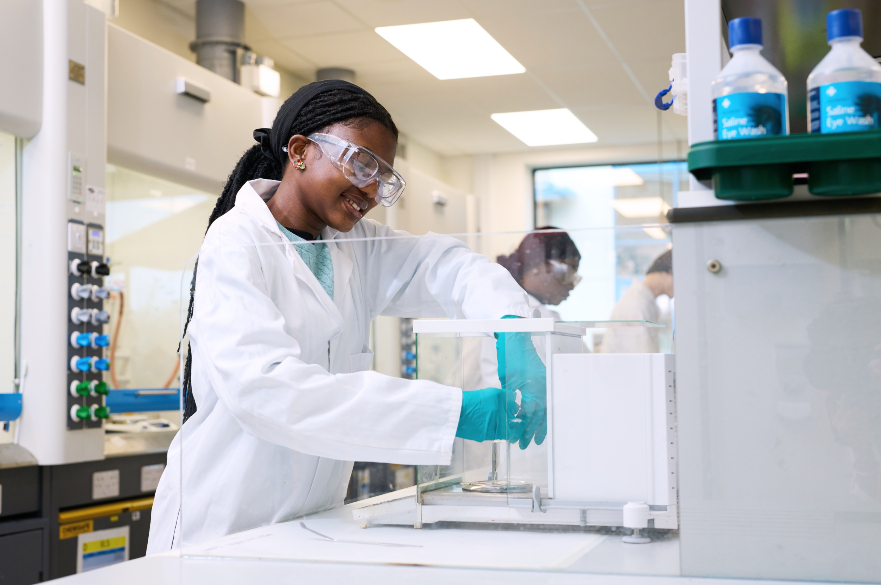
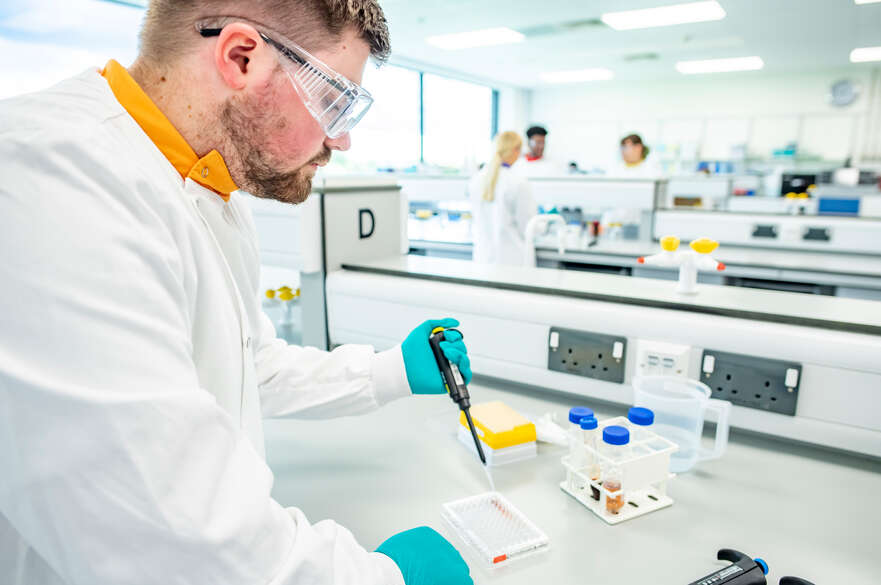
You’ll get to use our industry-standard equipment, such as our mass specs and x-ray crystallography, right from the very start of your course. From developing risk assessments and COSSH assessments you’ll know how a professional lab works and how to follow laboratory processes and protocols used in industry – all valuable skills to have before you graduate.
Get published
During your project you’ll be working on real research projects often alongside our chemistry researchers. Our research papers are frequently published in international scientific journals with our students named as one of the contributing authors – a great start to your career.
Learn a new language
Alongside your study you also have the opportunity to learn a new language. The University Language Programme (ULP) is available to all students and gives you the option of learning a totally new language or improving the skills you already have. Find out more about the ULP.
How you're assessed
This course utilises a wide-variety of assessment methods to enable you to demonstrate your achievement.
- Subject knowledge, understanding and problem-solving are assessed by unseen examinations, short answer tests, laboratory reports, oral presentations and poster presentations.
- Practical skills, relating to laboratory techniques and the recording, interpretation and analysis of experimental and computational data, are assessed in laboratory experiments and reports, and in project assessments.
- A wide range of scientific and professional skills are assessed through written reports, skills portfolios, conference presentations, and work-like learning projects.
Contact hours
For each 20-credit module, you’ll spend about 200 hours learning overall. Around 40 of those hours will be taught in labs, lectures or seminars. The rest of the time is for independent study, reading, research, or working on assignments.
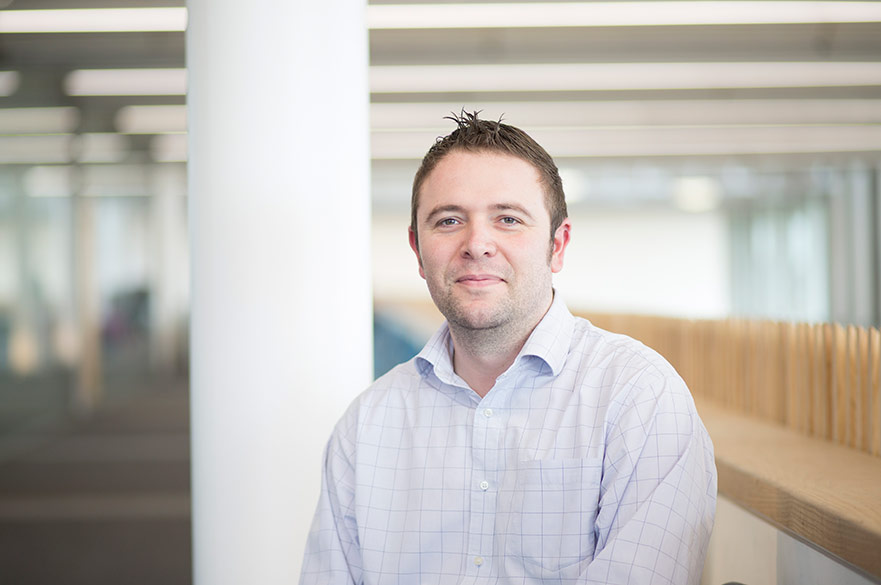
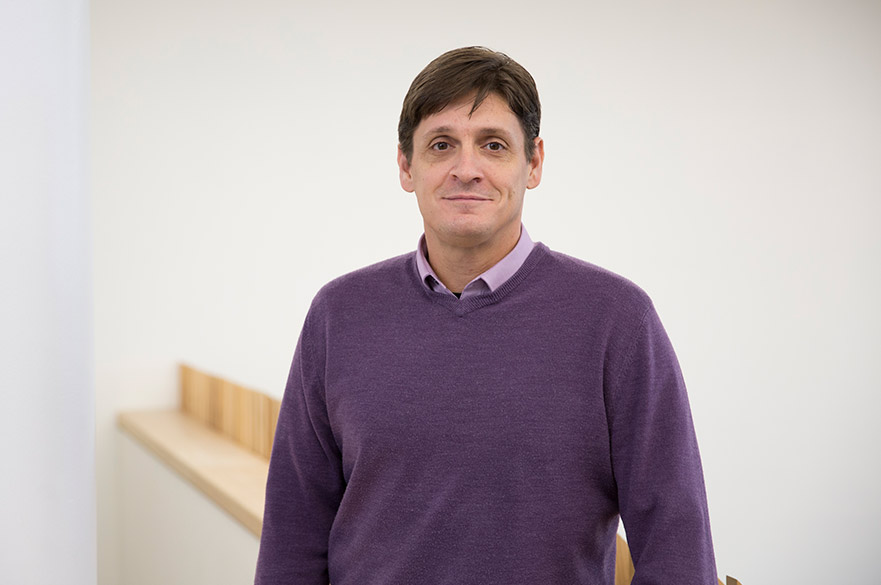
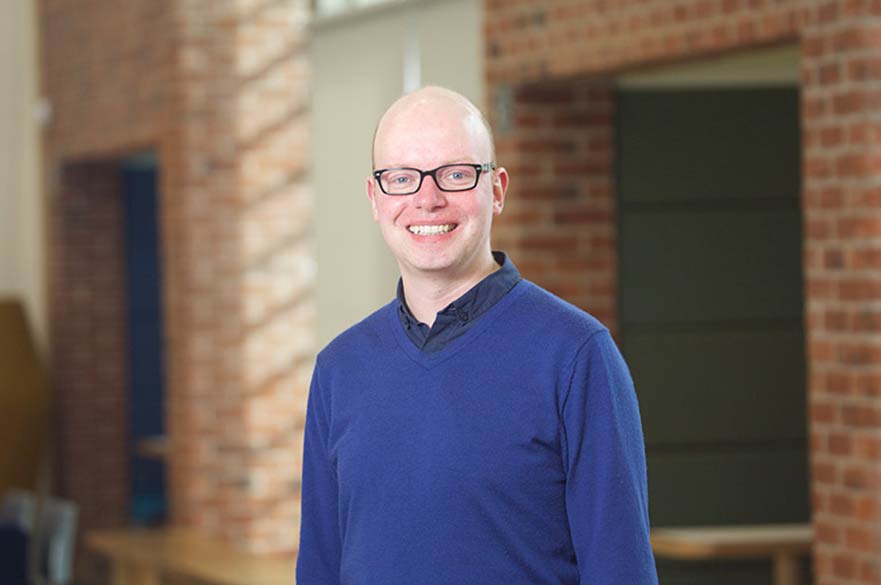
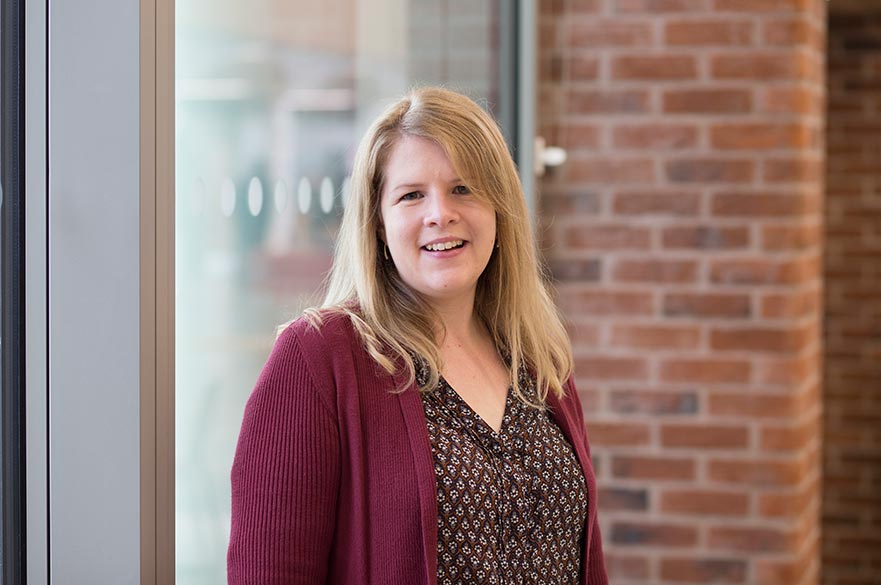
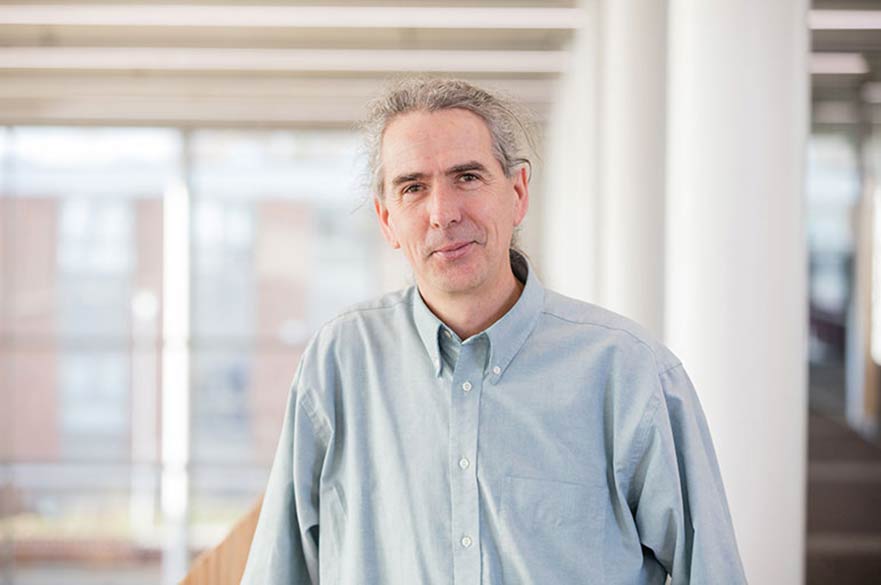
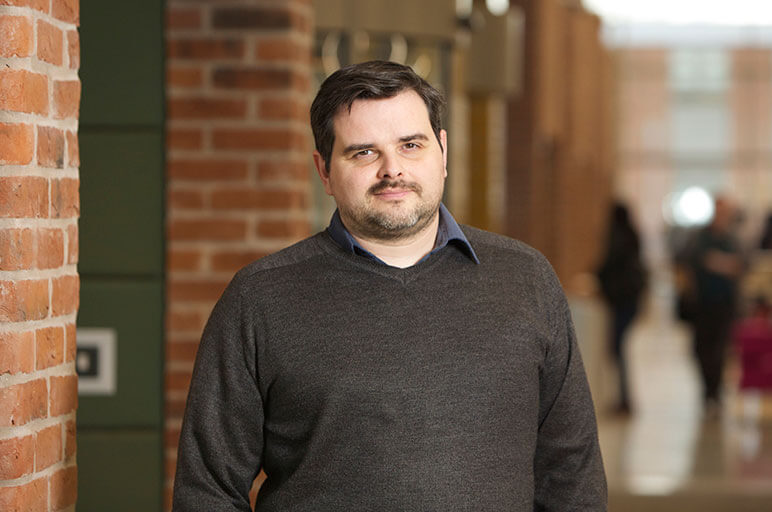
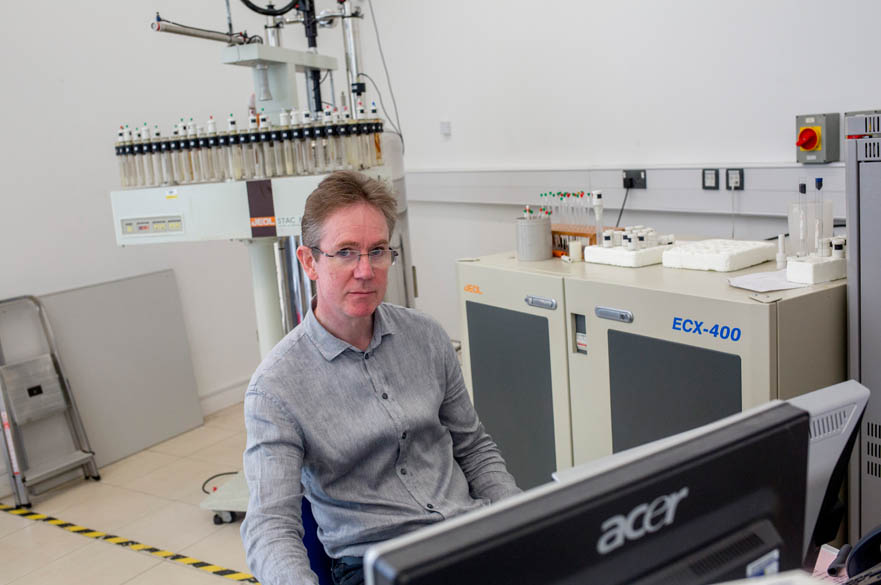
Who will teach you?
Entry requirements
This course is in Clearing
Looking for a place in Clearing? We are accepting applications and would love to hear from you!
UK students
Clearing requirements
From 88 UCAS tariff points from up to 4 qualifications.
To discuss our entry requirements and see what we can offer you, call us now on +44 (0)115 848 6000. Alternatively, if you already have your qualifications, apply online via our Clearing Application form.
Additional requirements
- A-level or equivalent Chemistry grade D
To find out what qualifications have tariff points, please use our tariff calculator.
Additional requirements for UK students
There are no additional requirements for this course.
Contextual offers
If you don’t quite meet our entry requirements, we might be able to make you a lower offer based on a range of factors, including your background (such as where you live and the school or college you attended), your experiences and your individual circumstances (you may have been in care, for example). This is called a contextual offer, and we get data from UCAS to help make these decisions. We do this because we believe everyone with the potential to succeed at NTU should have the opportunity to do so, no matter what barriers you may face.
Meeting our entry requirements
Hundreds of qualifications in the UK have UCAS Tariff points attached to specific grades, including A-levels, BTECs, T Levels and many more. You can use your grades and points from up to four different qualifications to meet our criteria. Enter your predicted or achieved grades into our Tariff calculator to find out how many points your qualifications are worth.
Other qualifications and experience
NTU welcomes applications from students with non-standard qualifications and learning backgrounds, either for year one entry or for advanced standing beyond the start of a course into year 2 or beyond.
We consider study and/or credit achieved from a similar course at another institution (otherwise known as credit transfer), vocational and professional qualifications, and broader work or life experience.
Our Recognition of Prior Learning and Credit Transfer Policy outlines the process and options available for this route. If you wish to apply via Recognition of Prior Learning, please contact the central Admissions and Enquiries Team who will be able to support you through the process.
Getting in touch
If you need more help or information, get in touch through our enquiry form.
International students
Clearing requirements
From 88 UCAS tariff points from up to 4 qualifications.
To discuss our entry requirements and see what we can offer you, call us now on +44 (0)115 848 6000. Alternatively, if you already have your qualifications, apply online via our Clearing Application form.
Additional requirements
- A-level or equivalent Chemistry grade D. We accept equivalent qualifications from all over the world. Please check your international entry requirements by country.
- English language requirements: See our English language requirements page for requirements for your subject and information on alternative tests and Pre-sessional English.
Additional requirements for international students
There are no additional requirements for this course.
English language requirements
View our English language requirements for all courses, including alternative English language tests and country qualifications accepted by the University.
If you need help achieving the language requirements, we offer a Pre-Sessional English for Academic Purposes course on our City campus which is an intensive preparation course for academic study at NTU.
Other qualifications and experience
If you have the right level of qualifications, you may be able to start your Bachelors degree at NTU in year 2 or year 3. This is called ‘advanced standing’ entry and is decided on a case-by case basis after our assessment of your qualifications and experience.
You can view our Recognition of Prior Learning and Credit Transfer Policy which outlines the process and options available, such as recognising experiential learning and credit transfer.
Sign up for emails
Sign up to receive regular emails from the International Office. You'll hear about our news, scholarships and any upcoming events in your country with our expert regional teams.
Getting in touch
If you need advice about studying at NTU as an international student or how to apply, our international webpages are a great place to start. If you have any questions about your study options, your international qualifications, experience, grades or other results, please get in touch through our enquiry form. Our international teams are highly experienced in answering queries from students all over the world.
Policies
We strive to make our admissions procedures as fair and clear as possible. To find out more about how we make offers, visit our admissions policies page.