About this course
This course has now closed for applications for September 2026. See our 2027 information.
Occupational Therapy helps people to live meaningful and independent lives, supporting people to do what is important to them. Present in hospitals, communities, schools, workplaces, prisons, care homes and many other settings, Occupational Therapists provide help to individuals to support them to overcome barriers and carry out activities that are meaningful to them.
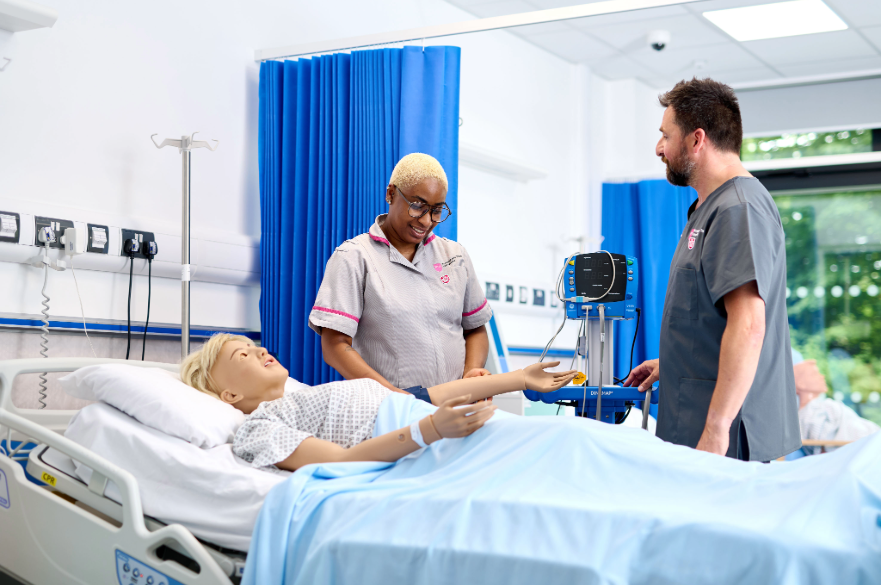
The course is wide-ranging, holistic, focused and will enable you to explore many different opportunities in the UK and abroad. At NTU we offer learning experiences and environments that will prepare you for the varied career that you are about to embark upon, including a range of simulation teaching spaces such as our therapeutic kitchen, a domestic suite, hospital wards, consulting rooms, a virtual reality (VR) suite, and access to green space for outdoor teaching.
Why you should choose Occupational Therapy at NTU:
-

Complete four placements during the course
totalling over 1,000 hours of experiential learning as an Occupational Therapist.
-

Study in our state-of-the-art facilities
You'll learn in the purpose-built Health and Allied Professions Centre alongside our diverse community of student nurses and paramedics.
-

Embrace a focus on sustainability
as an Occupational Therapist to understand how environmental issues impact people and their communities.
-

Learn from the experts
at a university rated TEF ‘Gold’ for teaching and learning.
As a student you will experience practice based learning across a number of settings, meaning you gain real life experience to ensure you have the confidence, knowledge and skills within Occupational Therapy to embark on a successful career. The provision of four placements enables the opportunity for role emerging placements, which promote the value of Occupational Therapy in new areas of health and social care. These placements enable learners to develop a strong professional identity as an Occupational Therapists.
Module information
A standard full-time BSc (Hons) course is made up of 120 credits studied each year. Some courses may vary, however, and you can find information on the total number of credits achieved per module below.
Here’s a breakdown of what you’ll be studying throughout the course:
You will examine the philosophical and theoretical concepts that underpin Occupational Therapy. These core principles will be learnt alongside content around the Human Sciences that will take place in the Understanding and Impact of Occupational Therapy module. This module will introduce you to Occupational Science and how this is the foundation to understanding professional Occupational Therapy practice.
20 credits
This module will help you to understand your role as a professional through learning about key areas of safe practice, legal and ethical boundaries as well as practice skills. Different style of communication skills will be learnt and applied to experiential learning opportunities, and there will be a focus on gaining key practical skills within Occupational Therapy Practice to prepare for Practice-Based Learning 1.
20 credits
This module enables you to recognise the importance of Evidence Based Practice in Occupational Therapy practice. It will form one of three modules focused on building skills and knowledge of Evidence based practice and research to enable you to be competent in application to practice.
20 credits
You will be introduced to the human sciences that enable and facilitate occupational performance. You will develop knowledge and understanding about a wide range of different pathologies and understand their impact on occupational performance alongside the environmental and social barriers.
20 credits
You will build your knowledge and skills in the Occupational Therapy Process. Content from all earlier modules supports growing ability in carrying out a variety of assessments for individuals across the lifespan, focusing around self care, leisure and productivity/play. This module will outline the need for Occupational Therapists to work collaboratively with service users and continue to develop Professional Reasoning skills to support independent decision making
20 credits
This is your first placement on the course, and will last 7 weeks.
0 credits
credits
credits
credits
credits
credits
credits
credits
credits
credits
credits
credits
credits
credits
credits
credits
credits
credits
credits
credits
credits
credits
credits
credits
credits
credits
credits
credits
credits
credits
credits
credits
credits
credits
credits
credits
credits
credits
credits
credits
credits
credits
credits
credits
credits
credits
credits
credits
credits
credits
credits
credits
credits
credits
credits
credits
credits
credits
credits
credits
credits
credits
credits
credits
credits
credits
credits
credits
credits
credits
credits
credits
credits
credits
credits
credits
credits
credits
credits
credits
credits
credits
credits
credits
credits
credits
credits
credits
credits
credits
credits
credits
credits
credits
credits
credits
credits
credits
credits
credits
credits
credits
credits
credits
credits
credits
credits
credits
credits
credits
credits
credits
credits
credits
credits
credits
credits
credits
credits
credits
credits
credits
credits
credits
credits
credits
credits
credits
credits
credits
credits
credits
credits
credits
credits
credits
credits
credits
credits
credits
credits
credits
credits
credits
credits
credits
credits
credits
credits
credits
credits
credits
credits
credits
credits
credits
credits
credits
credits
credits
credits
credits
credits
credits
credits
credits
credits
credits
credits
credits
This module is building on the content of the first year module, Introduction to Evidence Based Practice. You will focus more deeply on skills of enquiry and interpretation of more varied types of research and ensuring quality practice within Occupational Therapy.
20 credits
This module will build on the level four module, Assessing Occupation and the Environment and is covering the goal planning, intervention and discharge stage of the Occupational Therapy Process. The module will look at approaches and interventions through the lens of Activities of Daily Living, Leisure and Productivity, across the life span. Building on previously learnt modes of professional reasoning, further learning in this area will enhance your skills in the transparency of your decision making.
40 credits
This module will develop your understanding of leadership, innovation and quality assurance within contemporary Occupational Therapy practice. You will critically explore leadership approaches, service development influencing factors, learning about quality assurance and processes within Occupational Therapy to evaluate new and existing services.
30 credits
You will gain knowledge and understanding around public health issues from an Occupational Science perspective. The module will look at how Occupational Therapists can utilise their core occupation-focused skills to support local populations through health and wellbeing promotion and health and wellbeing protection. The module will focus on working within communities and groups as well as the environmental factors of working within a community setting.
40 credits
This is your second placement on the course and will last for 7 weeks.
0 credits
This is your third placement on the course and will last for 7 weeks.
0 credits
credits
credits
credits
credits
credits
credits
credits
credits
credits
credits
credits
credits
credits
credits
credits
credits
credits
credits
credits
credits
credits
credits
credits
credits
credits
credits
credits
credits
credits
credits
credits
credits
credits
credits
credits
credits
credits
credits
credits
credits
credits
credits
credits
credits
credits
credits
credits
credits
credits
credits
credits
credits
credits
credits
credits
credits
credits
credits
credits
credits
credits
credits
credits
credits
credits
credits
credits
credits
credits
credits
credits
credits
credits
credits
credits
credits
credits
credits
credits
credits
credits
credits
credits
credits
credits
credits
credits
credits
credits
credits
credits
credits
credits
credits
credits
credits
credits
credits
credits
credits
credits
credits
credits
credits
credits
credits
credits
credits
credits
credits
credits
credits
credits
credits
credits
credits
credits
credits
credits
credits
credits
credits
credits
credits
credits
credits
credits
credits
credits
credits
credits
credits
credits
credits
credits
credits
credits
credits
credits
credits
credits
credits
credits
credits
credits
credits
credits
credits
credits
credits
credits
credits
credits
credits
credits
credits
credits
credits
credits
credits
credits
credits
credits
credits
credits
credits
credits
credits
credits
This module will draw on learning from both academic modules and Practice Based Learning to enable you to assess your current knowledge and skill level against required standards of HCPC and through the use of the Career Development Framework (Royal College of Occupational Therapy, 2022). You will critically evaluate the role of Leadership within Occupational Therapy and in the wider Health and Social Care context, recognising your own skills and knowledge within this.
40 credits
This module builds on both Year One and Year Two modules, and enables you to select a topic of interest to conduct a critical review, using the skills and knowledge gained in previous modules. You will be allocated an individual supervisor to guide you, however the module will develop skills of independent inquiry and autonomous learning.
40 credits
You will focus in depth on one aspect of Occupational Therapy Practice, allowing for a development of more complex skills and knowledge. Consolidating learning from across the course, the module will develop your specialist skills, assessments, interventions and will further enhance your readiness for practice. Occupational Therapists in the field and people with lived experience will contribute to learners knowledge. Issues pertaining to occupational marginalisation, sustainability and use of digital technologies will also be explored, giving you the ability to transfer knowledge to other settings as well.
40 credits
This is your fourth and final placement on the course, and will last 10 weeks.
0 credits
credits
credits
credits
credits
credits
credits
credits
credits
credits
credits
credits
credits
credits
credits
credits
credits
credits
credits
credits
credits
credits
credits
credits
credits
credits
credits
credits
credits
credits
credits
credits
credits
credits
credits
credits
credits
credits
credits
credits
credits
credits
credits
credits
credits
credits
credits
credits
credits
credits
credits
credits
credits
credits
credits
credits
credits
credits
credits
credits
credits
credits
credits
credits
credits
credits
credits
credits
credits
credits
credits
credits
credits
credits
credits
credits
credits
credits
credits
credits
credits
credits
credits
credits
credits
credits
credits
credits
credits
credits
credits
credits
credits
credits
credits
credits
credits
credits
credits
credits
credits
credits
credits
credits
credits
credits
credits
credits
credits
credits
credits
credits
credits
credits
credits
credits
credits
credits
credits
credits
credits
credits
credits
credits
credits
credits
credits
credits
credits
credits
credits
credits
credits
credits
credits
credits
credits
credits
credits
credits
credits
credits
credits
credits
credits
credits
credits
credits
credits
credits
credits
credits
credits
credits
credits
credits
credits
credits
credits
credits
credits
credits
credits
credits
credits
credits
credits
credits
credits
credits
credits
credits
credits
credits
credits
credits
credits
credits
credits
credits
credits
credits
credits
credits
credits
credits
credits
credits
credits
credits
credits
credits
credits
credits
credits
credits
credits
credits
credits
credits
credits
credits
credits
credits
credits
credits
credits
credits
credits
credits
credits
credits
credits
credits
credits
credits
credits
credits
credits
credits
credits
credits
credits
credits
credits
credits
credits
credits
credits
credits
credits
credits
credits
credits
credits
credits
credits
credits
credits
credits
credits
credits
credits
credits
credits
credits
credits
credits
credits
credits
credits
credits
credits
credits
credits
credits
credits
credits
credits
credits
credits
credits
credits
credits
credits
credits
credits
credits
credits
credits
credits
credits
credits
credits
credits
credits
credits
credits
credits
credits
credits
credits
credits
credits
credits
credits
credits
credits
credits
credits
credits
credits
credits
credits
credits
credits
credits
credits
credits
credits
credits
credits
credits
credits
credits
credits
credits
credits
credits
credits
credits
credits
credits
credits
credits
credits
credits
credits
credits
credits
credits
credits
credits
credits
credits
credits
credits
credits
credits
credits
credits
credits
credits
credits
credits
credits
credits
credits
credits
credits
credits
credits
credits
credits
credits
credits
credits
credits
credits
credits
credits
credits
credits
credits
credits
credits
credits
credits
credits
credits
credits
credits
credits
credits
credits
credits
credits
credits
credits
credits
credits
credits
credits
credits
credits
credits
credits
credits
credits
credits
credits
credits
credits
credits
credits
credits
credits
credits
credits
credits
credits
credits
credits
credits
credits
credits
credits
credits
credits
credits
credits
credits
credits
credits
credits
credits
credits
credits
credits
credits
credits
credits
credits
credits
credits
credits
credits
credits
credits
credits
credits
credits
credits
credits
credits
credits
credits
credits
credits
credits
credits
credits
credits
credits
credits
credits
credits
credits
credits
credits
credits
credits
credits
credits
credits
credits
credits
credits
credits
credits
credits
credits
credits
credits
credits
credits
credits
credits
credits
credits
credits
credits
credits
credits
credits
credits
credits
credits
credits
credits
credits
credits
credits
credits
credits
credits
credits
credits
credits
credits
credits
credits
credits
credits
credits
credits
credits
credits
credits
credits
credits
credits
credits
credits
credits
credits
credits
credits
credits
credits
credits
credits
credits
credits
credits
credits
credits
credits
credits
credits
credits
credits
credits
credits
credits
credits
credits
credits
credits
credits
credits
credits
credits
credits
credits
credits
credits
credits
credits
credits
credits
credits
credits
credits
credits
credits
credits
credits
credits
credits
credits
credits
credits
credits
credits
credits
credits
credits
credits
credits
credits
credits
credits
credits
credits
credits
credits
credits
credits
credits
credits
credits
credits
credits
credits
credits
credits
credits
credits
credits
credits
credits
credits
credits
credits
credits
credits
credits
credits
credits
credits
credits
credits
credits
credits
credits
credits
credits
credits
credits
credits
credits
credits
credits
credits
credits
credits
credits
credits
credits
credits
credits
credits
credits
credits
credits
credits
credits
credits
credits
credits
credits
credits
credits
credits
credits
credits
credits
credits
credits
credits
credits
credits
credits
credits
credits
credits
credits
credits
credits
credits
credits
credits
credits
credits
credits
credits
credits
credits
credits
credits
credits
credits
credits
credits
credits
credits
credits
credits
credits
credits
credits
credits
credits
credits
credits
credits
credits
credits
credits
credits
credits
credits
credits
credits
credits
credits
credits
credits
credits
credits
credits
credits
credits
credits
credits
credits
credits
credits
credits
credits
credits
credits
credits
credits
credits
credits
credits
credits
credits
credits
credits
credits
credits
credits
credits
credits
credits
credits
credits
credits
credits
credits
credits
credits
credits
credits
credits
credits
credits
credits
credits
credits
credits
credits
credits
credits
credits
credits
credits
credits
credits
credits
credits
credits
credits
credits
credits
credits
credits
credits
credits
credits
credits
credits
credits
credits
credits
credits
credits
credits
credits
credits
credits
credits
credits
credits
credits
credits
credits
credits
credits
credits
credits
credits
credits
credits
credits
credits
credits
credits
credits
credits
credits
credits
credits
credits
credits
credits
credits
credits
credits
credits
credits
credits
credits
credits
credits
credits
credits
credits
credits
credits
credits
credits
credits
credits
credits
credits
credits
credits
credits
credits
credits
credits
credits
credits
credits
credits
credits
credits
credits
credits
credits
credits
credits
credits
credits
credits
credits
credits
credits
credits
credits
credits
credits
credits
credits
credits
credits
credits
credits
credits
credits
credits
credits
credits
credits
credits
credits
credits
credits
credits
credits
credits
credits
credits
credits
credits
credits
credits
credits
credits
credits
credits
credits
credits
credits
credits
credits
credits
credits
credits
credits
credits
credits
credits
credits
credits
credits
credits
credits
credits
credits
credits
credits
credits
credits
credits
credits
credits
credits
credits
credits
credits
credits
credits
credits
credits
credits
credits
credits
credits
credits
credits
credits
credits
credits
credits
credits
credits
credits
credits
credits
credits
credits
credits
credits
credits
credits
credits
credits
credits
credits
credits
credits
credits
credits
credits
credits
credits
credits
credits
credits
credits
credits
credits
credits
credits
credits
credits
credits
credits
credits
credits
credits
credits
credits
credits
credits
credits
credits
credits
credits
credits
credits
credits
credits
credits
credits
credits
credits
credits
credits
credits
credits
credits
credits
credits
credits
credits
credits
credits
credits
credits
credits
credits
credits
credits
credits
credits
credits
credits
credits
credits
credits
credits
credits
credits
credits
credits
credits
credits
credits
credits
credits
credits
credits
credits
credits
credits
credits
credits
credits
credits
credits
credits
credits
credits
credits
credits
credits
credits
credits
credits
credits
credits
credits
credits
credits
credits
credits
credits
credits
credits
credits
credits
credits
credits
credits
credits
credits
credits
credits
credits
credits
credits
credits
credits
credits
credits
credits
credits
credits
credits
credits
credits
credits
credits
credits
credits
credits
credits
credits
credits
credits
credits
credits
credits
credits
credits
credits
credits
credits
credits
credits
credits
credits
credits
credits
credits
credits
credits
credits
credits
credits
credits
credits
credits
credits
credits
credits
credits
credits
credits
credits
credits
credits
credits
credits
credits
credits
credits
credits
credits
credits
credits
credits
credits
credits
credits
credits
credits
credits
credits
credits
credits
credits
credits
credits
credits
credits
credits
credits
credits
credits
credits
credits
credits
credits
credits
credits
credits
credits
credits
credits
credits
credits
credits
credits
credits
credits
credits
credits
credits
credits
credits
credits
credits
credits
credits
credits
credits
credits
credits
credits
credits
credits
credits
credits
credits
credits
credits
credits
credits
credits
credits
credits
credits
credits
credits
credits
credits
credits
credits
credits
credits
credits
credits
credits
credits
credits
credits
credits
credits
credits
credits
credits
credits
credits
credits
credits
credits
credits
credits
credits
credits
credits
credits
credits
credits
credits
credits
credits
credits
credits
credits
credits
credits
credits
credits
credits
credits
credits
credits
credits
credits
credits
credits
credits
credits
credits
credits
credits
credits
credits
credits
credits
credits
credits
credits
credits
credits
credits
credits
credits
credits
credits
credits
credits
credits
credits
credits
credits
credits
credits
credits
credits
credits
credits
credits
credits
credits
credits
credits
credits
credits
credits
credits
credits
credits
credits
credits
credits
credits
credits
credits
credits
credits
credits
credits
credits
credits
credits
credits
credits
credits
credits
credits
credits
credits
credits
credits
credits
credits
credits
credits
credits
credits
credits
credits
credits
credits
credits
credits
credits
credits
credits
credits
credits
credits
credits
credits
credits
credits
credits
credits
credits
credits
credits
credits
credits
credits
credits
credits
credits
credits
credits
credits
credits
credits
credits
credits
credits
credits
credits
credits
credits
credits
credits
credits
credits
credits
credits
credits
credits
credits
credits
credits
credits
credits
credits
credits
credits
credits
credits
credits
credits
credits
credits
credits
credits
credits
credits
credits
credits
credits
credits
credits
credits
credits
credits
credits
credits
credits
credits
credits
credits
credits
credits
credits
credits
credits
credits
credits
credits
credits
credits
credits
credits
credits
credits
credits
credits
credits
credits
credits
credits
credits
credits
credits
credits
credits
credits
credits
credits
credits
credits
credits
credits
credits
credits
credits
credits
credits
credits
credits
credits
credits
credits
credits
credits
credits
credits
credits
credits
credits
credits
credits
credits
credits
credits
credits
credits
credits
credits
credits
We regularly review our course content based on student and employer feedback to ensure they remain current and relevant. This may result in changes to module content or availability in future years. Optional modules will only run where there is sufficient demand. This will be determined on a case-by-case basis to protect the academic and student experience.
Student experience


How you're taught
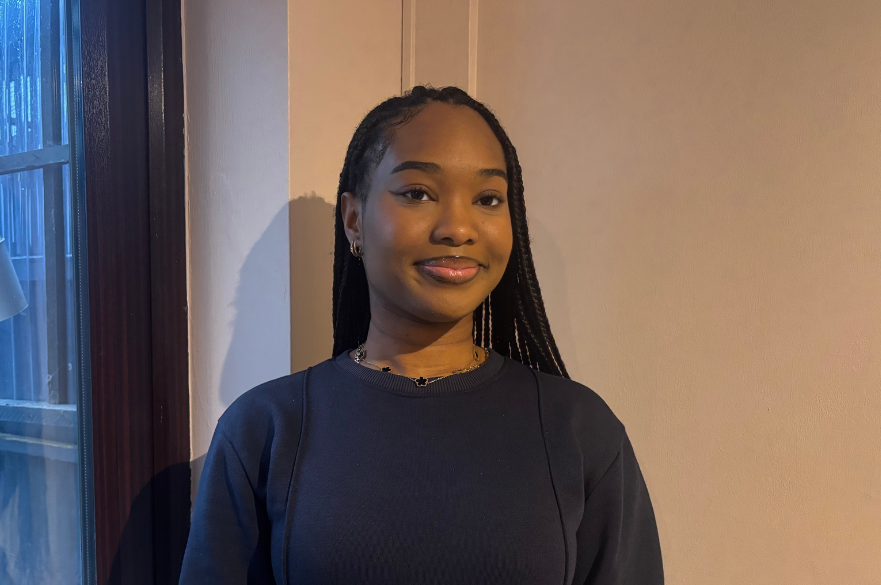
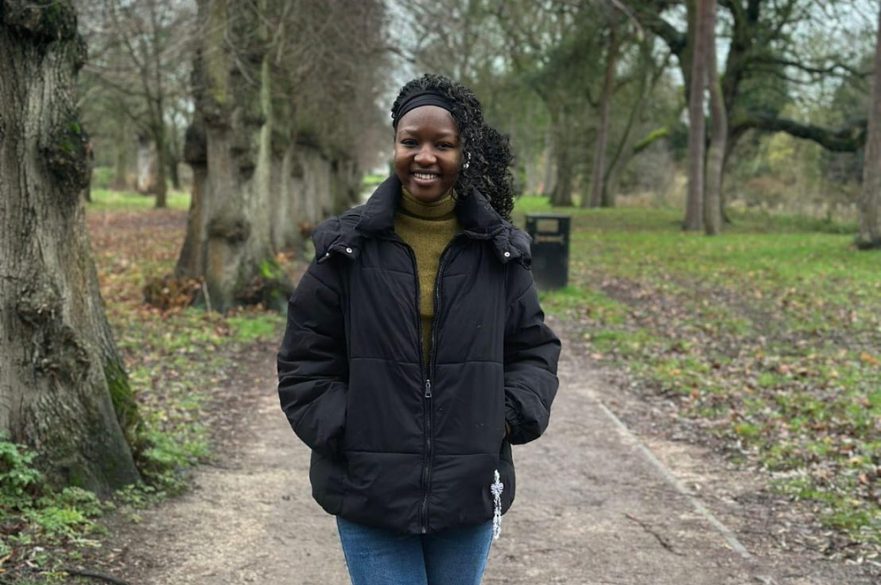
The nature of the teaching is collaborative, with sharing of ideas. You will be encouraged to have an enquiring mind, be creative, resourceful, take on new opportunities and to discuss your learning with your peers. You will be part of a larger department with students from Nursing, Paramedicine and Public Health, enabling interprofessional opportunities to give you a wider perspective. The course has been created alongside people with lived experience, Occupational Therapists in practice and students from other programmes within the department.
There is also an MSc Occupational Therapy course, creating a community of learners, preparing you for the exciting opportunities ahead.
Learners will be allocated an individual personal tutor from the Occupational Therapy academic team. Learners will be placed within an Personal Tutor Group and be offered group personal tutor sessions throughout the course at key points in the academic year, for example, soon after the course starting, during placement. Learners will be able to also contact their personal tutor for an individual meeting.
The course has strong links with local organisations meaning our BSc students can really make a difference within the community, listening and providing opportunity to work with people to fulfil their potential. The philosophy of Occupational Therapy is to work with individuals and community to enable people to live fulfilling lives. This will be an empowering experience for you as a student, developing your own confidence in this field and looking beyond at where it can take you. We recognise that our learners will have taken many different journeys to starting this course and we provide support to enable each student to fulfil their potential.
NTU has a strong focus on sustainability and the profession of Occupational Therapy is embracing this focus. The BSc course enables students to debate, discuss and be creative around the issues of the environment and how it impacts on people and their community and it features throughout the course.
The Nottingham Institute of Health and Social Care, in which the Occupational Therapy course is situated has international links and the BSc course takes a global focus to enrich our learning and thus provide a more inclusive experience to students and to the people you will work with. Our aim is that you feel empowered through the journey of becoming an Occupational Therapist and that you take that experience to empower the people you will have the privilege to work with both within placement and as a registered Occupational Therapist.
How you're assessed
Assessment types include:
- Essays
- Reflective accounts
- Objective structured clinical examination (OSCE)
- Presentations
- Academic posters
- Multiple choice and short answer question exams
- Professional discussion
- Group exercises
Assessment is also included in all the Practice Based Learning modules and passing the four placements is required for registration to the Health and Care Professions Council, thus enabling learners to register as Occupational Therapists.
Who will teach you?

Entry requirements
UK students
Standard offer: 112 UCAS Tariff points from up to four qualifications
Contextual offer: 104 UCAS Tariff points from up to four qualifications
Other requirements: Submit a written statement, attend a selection activity, GCSE English and Maths at grade C / 4.
To find out what qualifications have tariff points, please use our tariff calculator.
Additional requirements for UK students
- a 300 – 500 word written statement in which you should outline reasons for wishing to undertake the BSc Occupational Therapy. We will be looking to ensure that you have a sound rationale for joining the course based on:
- A demonstrated desire to study Occupational Therapy
- An understanding of the Occupational Therapy role
- Evidence of transferable skills and practice
- Evidence of communication and interpersonal skills
- A consideration of professional values such as trustworthiness and integrity
- Candidates who have been shortlisted will be invited to attend a selection activity involving an interview with academics, occupational therapy practitioners, or service users. This will explore candidates' values in line with the HCPC Code of Ethics, and Royal College of Occupational Therapists (RCOT) professional standards, alongside your knowledge and commitment to the profession.
- You will also need to be at least 18 years of age at the start of the course. This is the minimum age requirement set by our placement providers. If you will be under 18 at the start of the course, your application may be declined, or you may be offered the opportunity to defer your application until next year.
- If you have been offered a place, you will also be expected to complete a good-health check through health screening and attend a follow-up occupational health review as required.
- Successful candidates will also be required to complete an Enhanced-Level Disclosure and Barring Service (DBS) check.
Vaccinations
As a healthcare student, you have a duty of care towards patients and other staff, including taking reasonable precautions to protect yourself and others from communicable diseases. We therefore require you to be vaccinated for some infectious diseases if you do not already have immunity to them. Whilst we cannot force you to have a vaccination, the University and our practice partners strongly recommend you do.
Failure to undertake the required immunisations and blood screening may lead to you not being able to be placed in certain clinical areas which may adversely impact your ability to complete the required practice hours and clinical competencies.
Contextual offers
We consider every application in the context of your individual circumstances and educational background. This may include information about where you live, the school or college you attended, or experiences that may have shaped your educational journey. This is known as a contextual offer, and we use information provided through UCAS to help inform our decisions. By considering achievement in context, we can better recognise academic potential and ensure applicants are assessed as fairly and fully as possible. Please note we do not make contextual offers during Clearing.
Meeting our entry requirements
Hundreds of qualifications in the UK have UCAS Tariff points attached to specific grades, including A-levels, BTECs, T Levels and many more. You can use your grades and points from up to four different qualifications to meet our criteria. Enter your predicted or achieved grades into our Tariff calculator to find out how many points your qualifications are worth.
Other qualifications and experience
NTU welcomes applications from students with non-standard qualifications and learning backgrounds, either for year one entry or for advanced standing beyond the start of a course into year 2 or beyond.
We consider study and/or credit achieved from a similar course at another institution (otherwise known as credit transfer), vocational and professional qualifications, and broader work or life experience.
Our Recognition of Prior Learning and Credit Transfer Policy outlines the process and options available for this route. If you wish to apply via Recognition of Prior Learning, please contact the central Admissions and Enquiries Team who will be able to support you through the process.
Getting in touch
If you need more help or information, get in touch through our enquiry form.
International students
Academic entry requirements: 112 UCAS Tariff points from up to four A levels. We accept equivalent qualifications from all over the world. Please check your international entry requirements by country.
Other requirements: Submit a written statement, attend a selection activity, GCSE English and Maths at grade C / 4.
Please note: Due to the mandatory teaching and placement requirements of this course, we are unable to accept applications from individuals with a Tier 2 Skilled Worker Visa.
English language requirements: IELTS 7.0 (with no component less than 6.5), or TOEFL iBT: 100 overall with at least 19 in Reading, 19 in Listening , 22 in Speaking and 23 in Writing.
See our English language requirements page for information on alternative tests and Pre-sessional English.
Additional requirements for international students
- a 300 – 500 word written statement in which you should outline reasons for wishing to undertake the BSc Occupational Therapy. We will be looking to ensure that you have a sound rationale for joining the course based on:
- A demonstrated desire to study Occupational Therapy
- An understanding of the Occupational Therapy role
- Evidence of transferable skills and practice
- Evidence of communication and interpersonal skills
- A consideration of professional values such as trustworthiness and integrity
- Candidates who have been shortlisted will be invited to attend a selection activity involving an interview with academics, occupational therapy practitioners, or service users. This will explore candidates' values in line with the HCPC Code of Ethics, and Royal College of Occupational Therapists (RCOT) professional standards, alongside your knowledge and commitment to the profession.
- You will also need to be at least 18 years of age at the start of the course. This is the minimum age requirement set by our placement providers. If you will be under 18 at the start of the course, your application may be declined, or you may be offered the opportunity to defer your application until next year.
- If you have been offered a place, you will also be expected to complete a good-health check through health screening and attend a follow-up occupational health review as required.
- Successful candidates will also be required to complete an Enhanced-Level Disclosure and Barring Service (DBS) check.
Vaccinations
As a healthcare student, you have a duty of care towards patients and other staff, including taking reasonable precautions to protect yourself and others from communicable diseases. We therefore require you to be vaccinated for some infectious diseases if you do not already have immunity to them. Whilst we cannot force you to have a vaccination, the University and our practice partners strongly recommend you do.
Failure to undertake the required immunisations and blood screening may lead to you not being able to be placed in certain clinical areas which may adversely impact your ability to complete the required practice hours and clinical competencies.
Interview dates
Interview dates may be subject to change and will be confirmed to successful applicants when they are invited to interview.
English Language Requirements
Students whose first language is not English will be required to meet the English language requirements of the Health and Care Professions Council. In anticipation of development towards the requirements of the HCPC on completion, applicants whose first language is not English will be required to produce evidence of proficiency in written and spoken English to level 7 (with no component less than 6.5) using IELTS scale.
English language requirements
View our English language requirements for all courses, including alternative English language tests and country qualifications accepted by the University.
If you need help achieving the language requirements, we offer a Pre-Sessional English for Academic Purposes course on our City campus which is an intensive preparation course for academic study at NTU.
Other qualifications and experience
If you have the right level of qualifications, you may be able to start your Bachelors degree at NTU in year 2 or year 3. This is called ‘advanced standing’ entry and is decided on a case-by case basis after our assessment of your qualifications and experience.
You can view our Recognition of Prior Learning and Credit Transfer Policy which outlines the process and options available, such as recognising experiential learning and credit transfer.
Sign up for emails
Sign up to receive regular emails from the International Office. You'll hear about our news, scholarships and any upcoming events in your country with our expert regional teams.
Getting in touch
If you need advice about studying at NTU as an international student or how to apply, our international webpages are a great place to start. If you have any questions about your study options, your international qualifications, experience, grades or other results, please get in touch through our enquiry form. Our international teams are highly experienced in answering queries from students all over the world.
Policies
We strive to make our admissions procedures as fair and clear as possible. To find out more about how we make offers, visit our admissions policies page.