About this course
Environmental Science is the study of how our planet works — from the air we breathe and the water we drink to the ecosystems that sustain life. It’s about understanding the complex, interconnected systems of the Earth and how human actions are reshaping them.
This subject has never been more important. Our world faces urgent environmental challenges — from climate change and biodiversity loss to pollution and dwindling natural resources. Solving them requires people who can think critically, act creatively, and collaborate across disciplines. That’s where you come in.
At NTU, Environmental Science isn’t just something you learn — it’s something you do. You’ll develop real-world skills in collecting and analysing environmental data, tackling problems from scientific and ethical perspectives, and working in teams on fieldwork, lab investigations, and research that matters. You’ll be supported to take ownership of your learning, explore big ideas, and build the adaptability and confidence to lead in a changing world.
This course prepares you for careers that have real-world impact. You will become the scientists and practitioners of the future, shaping solutions to some of the biggest challenges facing our planet.
If you're driven to protect the planet and create a sustainable future, Environmental Science at NTU is where your journey starts.
We also offer BSc (Hons) Environmental Science (with foundation year). Our integrated foundation degrees offer a unique gateway to our BSc courses for those who currently don't meet the degree-level entry criteria.
-

Accreditation - the stamp of approval
This degree is fully accredited by the Institution of Environmental Sciences.
-

Sustainability is in our DNA
Study at one of the UK's most environmentally friendly universities – NTU has achieved the EcoCampus Platinum award and invested in many environmental-impact innovations.
-

100%
of our BSc (Hons) Environmental Science graduates are in work or further study within 15 months of finishing their degrees (of those available for work or study, latest Graduate Outcomes Survey 2022/23).
-

A positive experience
97% of BSc (Hons) Environmental Science (full-time) students are positive about the learning resources on their course (National Student Survey 2025).
You’ll embark on a journey that takes you from understanding the fundamental workings of the Earth, to becoming a confident, skilled scientist ready to tackle the world’s most pressing environmental challenges.
In your first year, you’ll build a solid foundation in key areas like Principles of Environmental Science, Global Environmental Issues, Biodiversity Conservation, Weather and Climate, Geodiversity and Ecology. These modules give you the essential grounding in both the environmental and human dimensions of environmental science.
In your second year, you’ll deepen your knowledge and technical abilities through modules like Environmental Monitoring and GIS, Sustainability, Technical Skills and, Global Climate Emergency. You’ll begin to critically evaluate how environmental systems interact with human activity, and how policy and science work together to shape real-world outcomes.
By your final year, you’ll be ready to apply your expertise to complex problems. You’ll complete an independent Dissertation based on your own research, and explore advanced topics like Pollution and Remediation, Natural Resource Management and Energy for a Low Carbon Future. You’ll also choose a specialist area to explore further — such as Marine and Freshwater Ecology, Remote Sensing or Introduction to Ecological Consultancy.
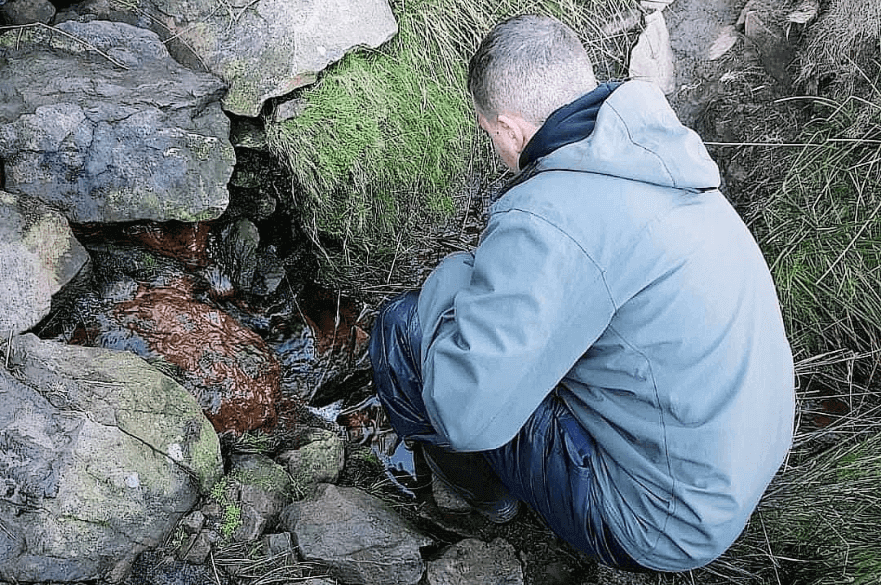
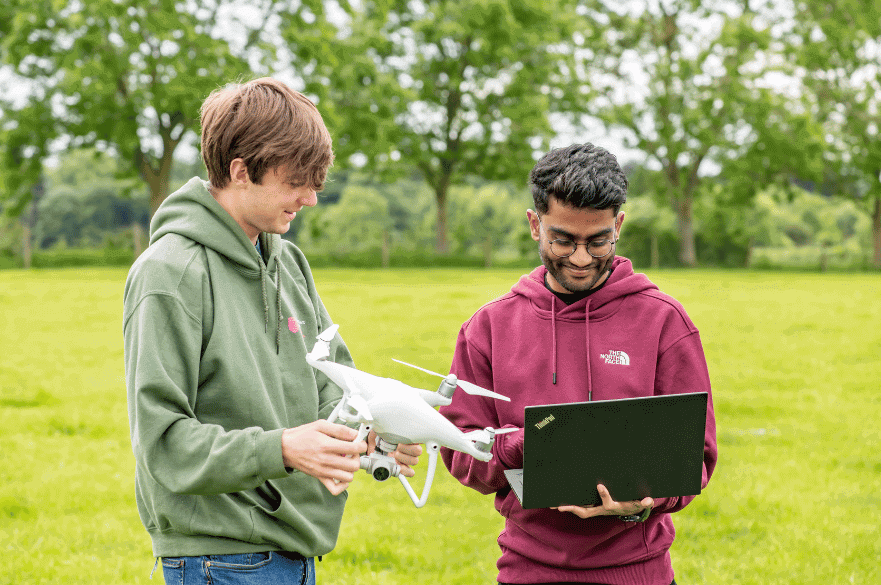
Throughout your journey, learning is hands-on and applied. Brackenhurst Campus gives you access to professional labs, cutting-edge technology, and a diverse natural environment to support fieldwork, lab investigations, and environmental data analysis. You’ll develop critical skills in research, communication, project management, and teamwork — all highly valued by employers.
Module information
Here’s a breakdown of what you’ll be studying throughout the course:
Gain an introduction to key laboratory and field techniques associated with environmental scientific procedures and research.
20 credits
Learn about the structure and dynamic processes on Earth, with an understanding of the geological timescale, tectonic, hydrological, atmospheric and earth surface processes that shape today's landscapes.
20 credits
Study contemporary global environmental issues and their underlying causes, including how humans impact the environment and how the natural environment impacts human society.
20 credits
Through fieldwork in the local area, you will begin to develop research, field, and laboratory skills.
20 credits
This module helps you build the skills you need to thrive at university and in your future career. You’ll develop critical thinking, communication, digital confidence, teamwork, and reflective skills to succeed in your studies and beyond.
20 credits
Explore why plants and animals live where they do and how Earth’s history has shaped biodiversity. You’ll study global biomes, species change and extinction, ecological interactions, and classification, using ideas from geography, ecology, geology, and evolution to understand life on Earth.
20 credits
credits
credits
credits
credits
credits
credits
credits
credits
credits
credits
credits
credits
credits
credits
credits
credits
credits
credits
credits
credits
credits
credits
credits
credits
credits
credits
credits
credits
credits
credits
credits
credits
credits
credits
credits
credits
credits
credits
credits
credits
credits
credits
credits
credits
credits
credits
credits
credits
credits
credits
credits
credits
credits
credits
credits
credits
credits
credits
credits
credits
credits
credits
credits
credits
credits
credits
credits
credits
credits
credits
credits
credits
credits
credits
credits
credits
credits
credits
credits
credits
credits
credits
credits
credits
credits
credits
credits
credits
credits
credits
credits
credits
credits
credits
credits
credits
credits
credits
credits
credits
credits
credits
credits
credits
credits
credits
credits
credits
credits
credits
credits
credits
credits
credits
credits
credits
credits
credits
credits
credits
credits
credits
credits
credits
credits
credits
credits
credits
credits
credits
credits
credits
credits
credits
credits
credits
credits
credits
credits
credits
credits
credits
credits
credits
credits
credits
credits
credits
credits
credits
credits
credits
credits
credits
credits
credits
credits
credits
credits
credits
credits
credits
credits
credits
credits
credits
credits
credits
credits
Explore the principles of research methods, focusing on data collection, analysis, and interpretation. You'll look at experimental design, literature evaluation and hypothesis testing, preparing you for undertaking independent research as part of your final year dissertation.
20 credits
You will be introduced to the past, present and future laws and policies relating to the environment, wildlife and conservation. You will look at a range of specific wildlife and environmental laws, the reasons that we need them, the ways in which they work, and, finally, evaluate whether they are working to protect nature and natural resources.
20 credits
Study the mapping and analytical techniques used in geographical information systems (GIS), with practical experience in acquiring, managing and interpreting spatial data using industry-standard GIS software.
20 credits
Explore the global climate emergency from environmental, social, political and ethical perspectives, and investigate why climate impacts are felt differently across regions and communities. You will analyse historic trends and future climate scenarios, evaluate mitigation and adaptation strategies, and consider the justice and equity issues that shape real-world climate action.
20 credits
Explore how sustainability has evolved, from early conservation to the UN’s United Nations Sustainable Development Goals. You’ll examine climate justice, inequality, and systems thinking, applying sustainability concepts to real-world challenges and future careers.
20 credits
Apply what you’ve learned in a new environment through hands-on fieldwork. You’ll design research, collect and analyse data, and build advanced field, critical thinking, and project management skills during an immersive residential experience.
20 credits
credits
credits
credits
credits
credits
credits
credits
credits
credits
credits
credits
credits
credits
credits
credits
credits
credits
credits
credits
credits
credits
credits
credits
credits
credits
credits
credits
credits
credits
credits
credits
credits
credits
credits
credits
credits
credits
credits
credits
credits
credits
credits
credits
credits
credits
credits
credits
credits
credits
credits
credits
credits
credits
credits
credits
credits
credits
credits
credits
credits
credits
credits
credits
credits
credits
credits
credits
credits
credits
credits
credits
credits
credits
credits
credits
credits
credits
credits
credits
credits
credits
credits
credits
credits
credits
credits
credits
credits
credits
credits
credits
credits
credits
credits
credits
credits
credits
credits
credits
credits
credits
credits
credits
credits
credits
credits
credits
credits
credits
credits
credits
credits
credits
credits
credits
credits
credits
credits
credits
credits
credits
credits
credits
credits
credits
credits
credits
credits
credits
credits
credits
credits
credits
credits
credits
credits
credits
credits
credits
credits
credits
credits
credits
credits
credits
credits
credits
credits
credits
credits
credits
credits
credits
credits
credits
credits
credits
credits
credits
credits
credits
credits
credits
credits
credits
credits
credits
credits
credits
You may choose to take an optional year-long placement in Year Three, either in the UK or overseas.
You will be supported by our experienced Employability Team to source a suitable placement.
0 credits
If you're studying on our sandwich route you can opt to study abroad for a full academic year, or for a semester. This is an optional and additional period of study that complements your degree as an alternative to taking a work placement.
Our NTU Global and student mobility team will support you in finding the right opportunity from one of our many international partners available around the world.
Successful completion of a period of international study will earn you a standalone award an International Study Certificate (minimum six weeks) or the International Study Diploma (minimum 36 weeks).
0 credits
credits
credits
credits
credits
credits
credits
credits
credits
credits
credits
credits
credits
credits
credits
credits
credits
credits
credits
credits
credits
credits
credits
credits
credits
credits
credits
credits
credits
credits
credits
credits
credits
credits
credits
credits
credits
credits
credits
credits
credits
credits
credits
credits
credits
credits
credits
credits
credits
credits
credits
credits
credits
credits
credits
credits
credits
credits
credits
credits
credits
credits
credits
credits
credits
credits
credits
credits
credits
credits
credits
credits
credits
credits
credits
credits
credits
credits
credits
credits
credits
credits
credits
credits
credits
credits
credits
credits
credits
credits
credits
credits
credits
credits
credits
credits
credits
credits
credits
credits
credits
credits
credits
credits
credits
credits
credits
credits
credits
credits
credits
credits
credits
credits
credits
credits
credits
credits
credits
credits
credits
credits
credits
credits
credits
credits
credits
credits
credits
credits
credits
credits
credits
credits
credits
credits
credits
credits
credits
credits
credits
credits
credits
credits
credits
credits
credits
credits
credits
credits
credits
credits
credits
credits
credits
credits
credits
credits
credits
credits
credits
credits
credits
credits
credits
credits
credits
credits
credits
credits
credits
credits
credits
credits
During your Final Year, you will study four core modules and choose one optional module.
Core modules
Undertake an independent research project under the supervision of our experienced staff. Focus on an area that interests you and use your practical and/or research skills to help you shape the focus of your degree.
40 credits
Learn about the latest developments and applications in geochemistry within the secondary environment, including its effects on humans and ecosystems. You'll study contamination issues within different environments, waste disposal and the implications for environmental management and remediation.
20 credits
This module challenges the idea that disasters are “natural,” exploring how hazards interact with vulnerability and exposure. You’ll study global examples, cascading impacts, and disaster risk reduction to understand how risks can be reduced and resilience strengthened for sustainable development.
20 credits
You will learn the role of nature-based solutions in addressing environmental challenges, explore methods such as rewilding and natural flood management, and evaluate how these approaches improve sustainability, biodiversity and climate resilience.
20 credits
credits
credits
credits
credits
credits
credits
credits
credits
credits
credits
credits
credits
credits
credits
credits
credits
credits
credits
credits
credits
credits
Optional modules
You'll learn how to process, analyse and interpret information from a range of existing remote sensing techniques. You'll also obtain information for mapping and spatial analysis using data from both historical and the very latest high resolution sensors.
20 credits
Understand the structure and function of different aquatic habitats, particularly the organisms that inhabit them and their ecological interactions. Apply these principles during a one-day UK field trip, and subsequent laboratory work, to investigate the impact of pollution on the freshwater macroinvertebrate community, as a bioindicator of ecological quality.
20 credits
This residential international field trip immerses you in a real social or environmental challenge. You’ll use systems thinking to explore connections and patterns, research complex issues in depth, and communicate your insights to help inspire meaningful, positive change.
20 credits
credits
credits
credits
credits
credits
credits
credits
credits
credits
credits
credits
credits
credits
credits
credits
credits
credits
credits
credits
credits
credits
credits
credits
credits
credits
credits
credits
credits
credits
credits
credits
credits
credits
credits
credits
credits
credits
credits
credits
credits
credits
credits
credits
credits
credits
credits
credits
credits
credits
credits
credits
credits
credits
credits
credits
credits
credits
credits
credits
credits
credits
credits
credits
credits
credits
credits
credits
credits
credits
credits
credits
credits
credits
credits
credits
credits
credits
credits
credits
credits
credits
credits
credits
credits
credits
credits
credits
credits
credits
credits
credits
credits
credits
credits
credits
credits
credits
credits
credits
credits
credits
credits
credits
credits
credits
credits
credits
credits
credits
credits
credits
credits
credits
credits
credits
credits
credits
credits
credits
credits
credits
credits
credits
credits
credits
credits
credits
credits
credits
credits
credits
credits
credits
credits
credits
credits
credits
credits
credits
credits
credits
credits
credits
credits
credits
credits
credits
credits
credits
credits
credits
credits
credits
credits
credits
credits
credits
credits
credits
credits
credits
credits
credits
credits
credits
credits
credits
credits
credits
credits
credits
credits
credits
credits
credits
credits
credits
credits
credits
credits
credits
credits
credits
credits
credits
credits
credits
credits
credits
credits
credits
credits
credits
credits
credits
credits
credits
credits
credits
credits
credits
credits
credits
credits
credits
credits
credits
credits
credits
credits
credits
credits
credits
credits
credits
credits
credits
credits
credits
credits
credits
credits
credits
credits
credits
credits
credits
credits
credits
credits
credits
credits
credits
credits
credits
credits
credits
credits
credits
credits
credits
credits
credits
credits
credits
credits
credits
credits
credits
credits
credits
credits
credits
credits
credits
credits
credits
credits
credits
credits
credits
credits
credits
credits
credits
credits
credits
credits
credits
credits
credits
credits
credits
credits
credits
credits
credits
credits
credits
credits
credits
credits
credits
credits
credits
credits
credits
credits
credits
credits
credits
credits
credits
credits
credits
credits
credits
credits
credits
credits
credits
credits
credits
credits
credits
credits
credits
credits
credits
credits
credits
credits
credits
credits
credits
credits
credits
credits
credits
credits
credits
credits
credits
credits
credits
credits
credits
credits
credits
credits
credits
credits
credits
credits
credits
credits
credits
credits
credits
credits
credits
credits
credits
credits
credits
credits
credits
credits
credits
credits
credits
credits
credits
credits
credits
credits
credits
credits
credits
credits
credits
credits
credits
credits
credits
credits
credits
credits
credits
credits
credits
credits
credits
credits
credits
credits
credits
credits
credits
credits
credits
credits
credits
credits
credits
credits
credits
credits
credits
credits
credits
credits
credits
credits
credits
credits
credits
credits
credits
credits
credits
credits
credits
credits
credits
credits
credits
credits
credits
credits
credits
credits
credits
credits
credits
credits
credits
credits
credits
credits
credits
credits
credits
credits
credits
credits
credits
credits
credits
credits
credits
credits
credits
credits
credits
credits
credits
credits
credits
credits
credits
credits
credits
credits
credits
credits
credits
credits
credits
credits
credits
credits
credits
credits
credits
credits
credits
credits
credits
credits
credits
credits
credits
credits
credits
credits
credits
credits
credits
credits
credits
credits
credits
credits
credits
credits
credits
credits
credits
credits
credits
credits
credits
credits
credits
credits
credits
credits
credits
credits
credits
credits
credits
credits
credits
credits
credits
credits
credits
credits
credits
credits
credits
credits
credits
credits
credits
credits
credits
credits
credits
credits
credits
credits
credits
credits
credits
credits
credits
credits
credits
credits
credits
credits
credits
credits
credits
credits
credits
credits
credits
credits
credits
credits
credits
credits
credits
credits
credits
credits
credits
credits
credits
credits
credits
credits
credits
credits
credits
credits
credits
credits
credits
credits
credits
credits
credits
credits
credits
credits
credits
credits
credits
credits
credits
credits
credits
credits
credits
credits
credits
credits
credits
credits
credits
credits
credits
credits
credits
credits
credits
credits
credits
credits
credits
credits
credits
credits
credits
credits
credits
credits
credits
credits
credits
credits
credits
credits
credits
credits
credits
credits
credits
credits
credits
credits
credits
credits
credits
credits
credits
credits
credits
credits
credits
credits
credits
credits
credits
credits
credits
credits
credits
credits
credits
credits
credits
credits
credits
credits
credits
credits
credits
credits
credits
credits
credits
credits
credits
credits
credits
credits
credits
credits
credits
credits
credits
credits
credits
credits
credits
credits
credits
credits
credits
credits
credits
credits
credits
credits
credits
credits
credits
credits
credits
credits
credits
credits
credits
credits
credits
credits
credits
credits
credits
credits
credits
credits
credits
credits
credits
credits
credits
credits
credits
credits
credits
credits
credits
credits
credits
credits
credits
credits
credits
credits
credits
credits
credits
credits
credits
credits
credits
credits
credits
credits
credits
credits
credits
credits
credits
credits
credits
credits
credits
credits
credits
credits
credits
credits
credits
credits
credits
credits
credits
credits
credits
credits
credits
credits
credits
credits
credits
credits
credits
credits
credits
credits
credits
credits
credits
credits
credits
credits
credits
credits
credits
credits
credits
credits
credits
credits
credits
credits
credits
credits
credits
credits
credits
credits
credits
credits
credits
credits
credits
credits
credits
credits
credits
credits
credits
credits
credits
credits
credits
credits
credits
credits
credits
credits
credits
credits
credits
credits
credits
credits
credits
credits
credits
credits
credits
credits
credits
credits
credits
credits
credits
credits
credits
credits
credits
credits
credits
credits
credits
credits
credits
credits
credits
credits
credits
credits
credits
credits
credits
credits
credits
credits
credits
credits
credits
credits
credits
credits
credits
credits
credits
credits
credits
credits
credits
credits
credits
credits
credits
credits
credits
credits
credits
credits
credits
credits
credits
credits
credits
credits
credits
credits
credits
credits
credits
credits
credits
credits
credits
credits
credits
credits
credits
credits
credits
credits
credits
credits
credits
credits
credits
credits
credits
credits
credits
credits
credits
credits
credits
credits
credits
credits
credits
credits
credits
credits
credits
credits
credits
credits
credits
credits
credits
credits
credits
credits
credits
credits
credits
credits
credits
credits
credits
credits
credits
credits
credits
credits
credits
credits
credits
credits
credits
credits
credits
credits
credits
credits
credits
credits
credits
credits
credits
credits
credits
credits
credits
credits
credits
credits
credits
credits
credits
credits
credits
credits
credits
credits
credits
credits
credits
credits
credits
credits
credits
credits
credits
credits
credits
credits
credits
credits
credits
credits
credits
credits
credits
credits
credits
credits
credits
credits
credits
credits
credits
credits
credits
credits
credits
credits
credits
credits
credits
credits
credits
credits
credits
credits
credits
credits
credits
credits
credits
credits
credits
credits
credits
credits
credits
credits
credits
credits
credits
credits
credits
credits
credits
credits
credits
credits
credits
credits
credits
credits
credits
credits
credits
credits
credits
credits
credits
credits
credits
credits
credits
credits
credits
credits
credits
credits
credits
credits
credits
credits
credits
credits
credits
credits
credits
credits
credits
credits
credits
credits
credits
credits
credits
credits
credits
credits
credits
credits
credits
credits
credits
credits
credits
credits
credits
credits
credits
credits
credits
credits
credits
credits
credits
credits
credits
credits
credits
credits
credits
credits
credits
credits
credits
credits
credits
credits
credits
credits
credits
credits
credits
credits
credits
credits
credits
credits
credits
credits
credits
credits
credits
credits
credits
credits
credits
credits
credits
credits
credits
credits
credits
credits
credits
credits
credits
credits
credits
credits
credits
credits
credits
credits
credits
credits
credits
credits
credits
credits
credits
credits
credits
credits
credits
credits
credits
credits
credits
credits
credits
credits
credits
credits
credits
credits
credits
credits
credits
credits
credits
credits
credits
credits
credits
credits
credits
credits
credits
credits
credits
credits
credits
credits
credits
credits
credits
credits
credits
credits
credits
credits
credits
credits
credits
credits
credits
credits
credits
credits
credits
credits
credits
credits
credits
credits
credits
credits
credits
credits
credits
credits
credits
credits
credits
credits
credits
credits
credits
credits
credits
credits
credits
credits
credits
credits
credits
credits
credits
credits
credits
credits
credits
credits
credits
credits
credits
credits
credits
We regularly review our course content based on student and employer feedback to ensure they remain current and relevant. This may result in changes to module content or availability in future years. Optional modules will only run where there is sufficient demand. This will be determined on a case-by-case basis to protect the academic and student experience.
Student experience
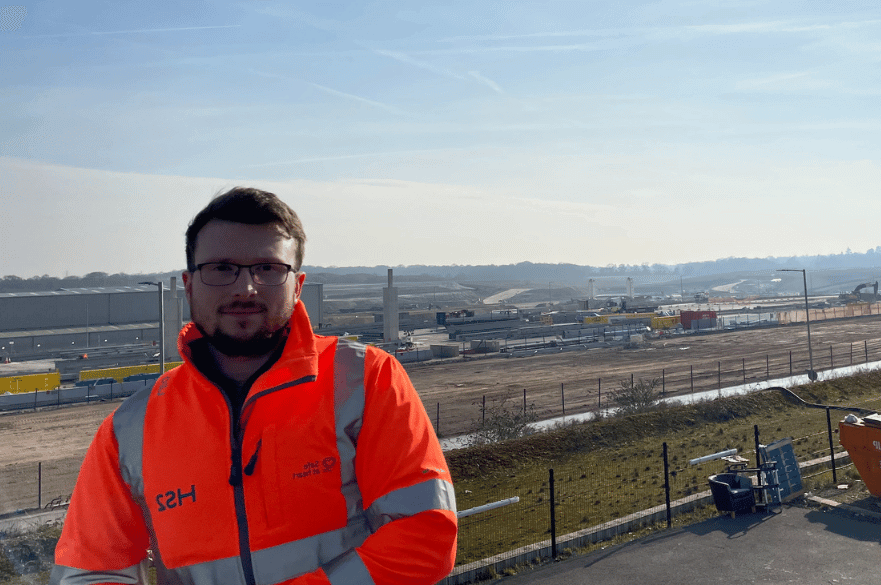
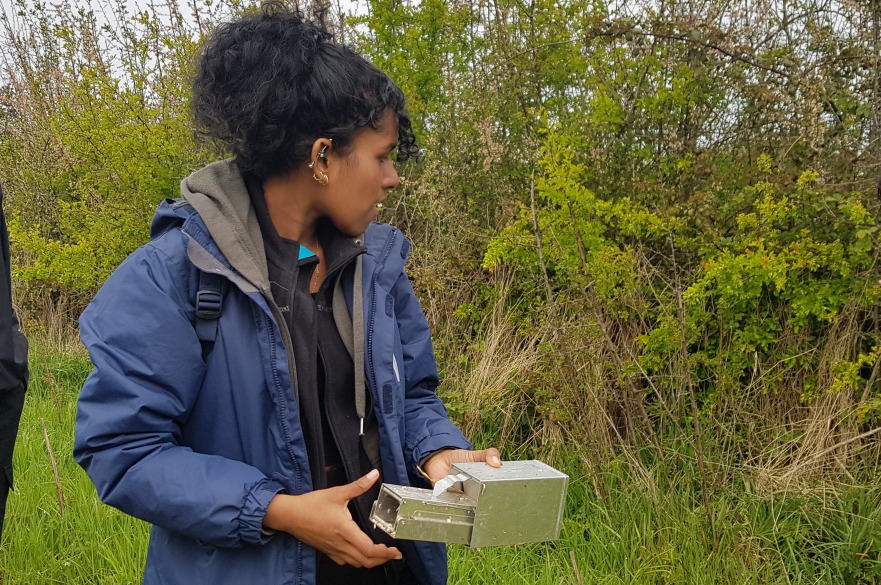

Student Work
Video Gallery
How you're taught
You will be taught through a variety of methods including group seminars, lectures, practical sessions, lab work, and fieldwork. The course currently includes a residential field trip in both year one and year two, previously these have been to the Peak District and Spain.
You will be assessed by a mixture of reports, reviews, portfolios of practical work, group and individual presentations and a field notebook.
A placement year may be taken between year 2 and year 3 of study.
Please note that field trip locations may vary and are subject to availability and change.
Contact hours
For each 20-credit module, you’ll spend about 200 hours learning overall. Around 40 of those hours will be taught in lectures or seminars. The rest of the time is for independent study, reading, research, or working on assignments. You will also spend time on practical sessions.
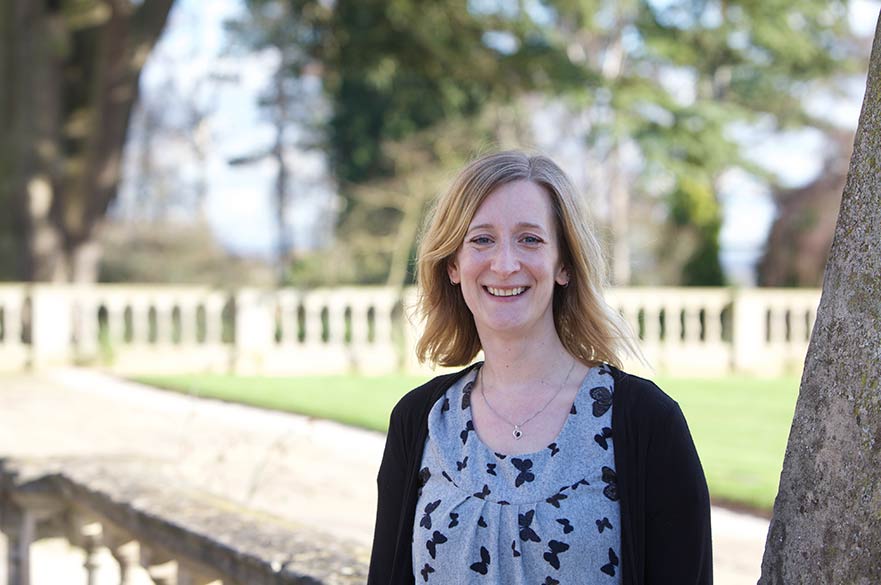
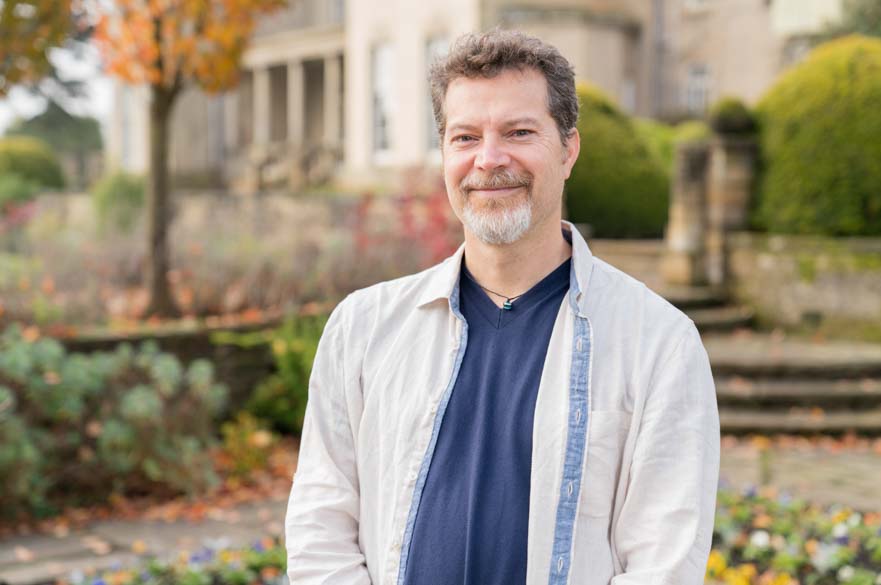
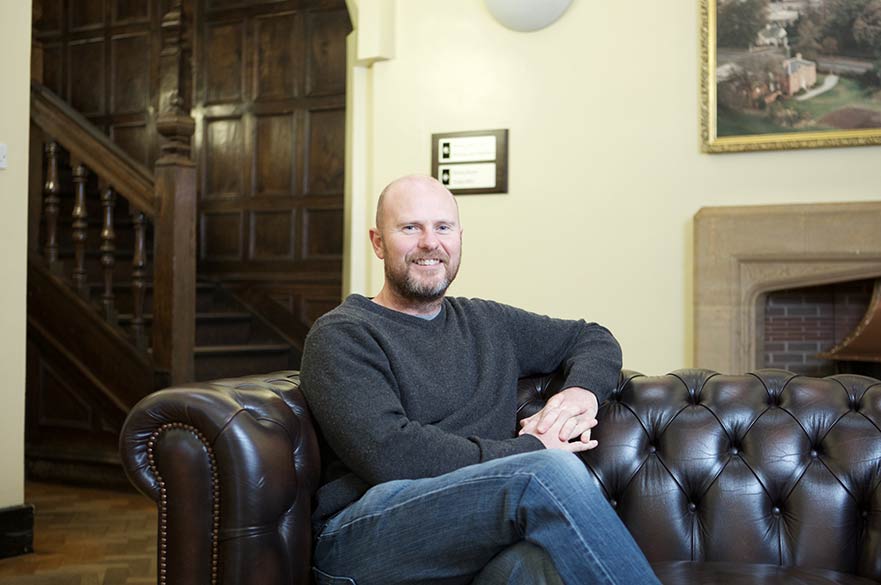
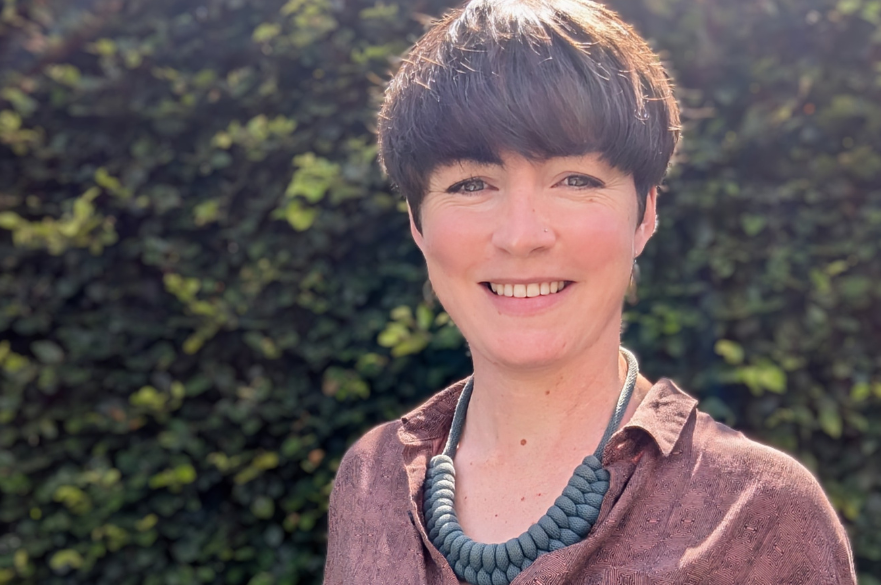
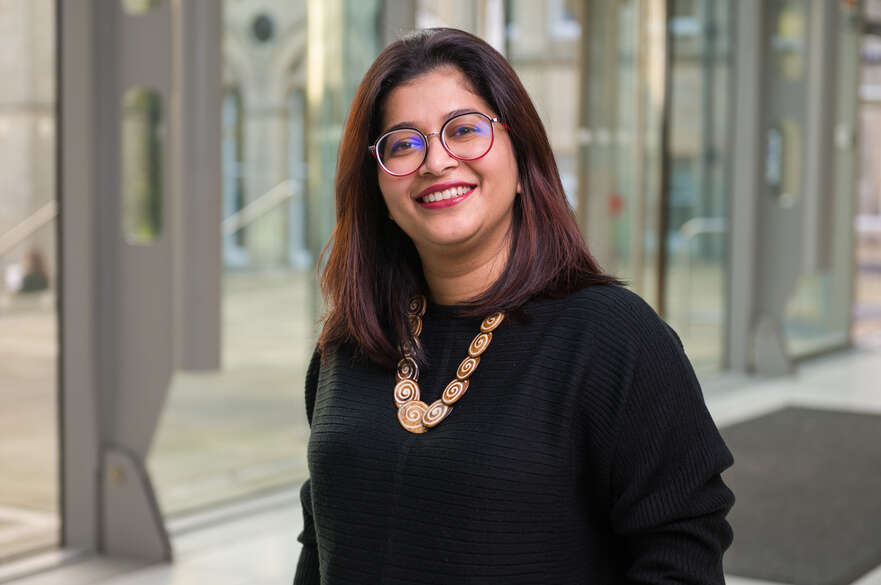
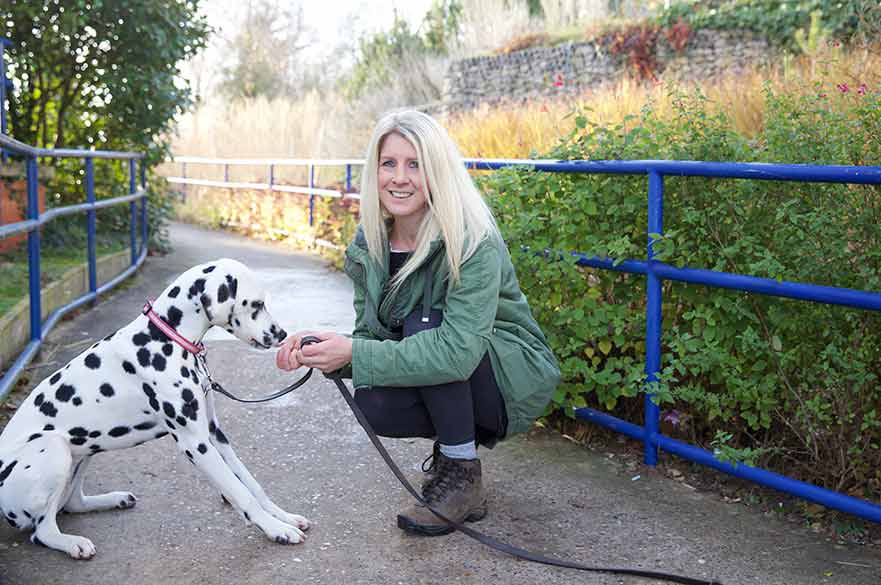
Who will teach you?



Entry requirements
UK students
Standard offer: 112 UCAS Tariff points from up to four qualifications, including an A-level Science subject or equivalent.
Contextual offer: 104 UCAS Tariff points from up to four qualifications, including an A-level Science subject or equivalent.
For this course we accept the following Science subjects: Biology, Chemistry, Environmental Studies, Human Biology and Physics. We also consider science modules as part of BTECs and other qualifications.
To find out what qualifications have tariff points, please use our tariff calculator.
Additional requirements for UK students
There are no additional requirements for this course.
Contextual offers
If you don’t quite meet our entry requirements, we might be able to make you a lower offer based on a range of factors, including your background (such as where you live and the school or college you attended), your experiences and your individual circumstances (you may have been in care, for example). This is called a contextual offer, and we get data from UCAS to help make these decisions. We do this because we believe everyone with the potential to succeed at NTU should have the opportunity to do so, no matter what barriers you may face.
Meeting our entry requirements
Hundreds of qualifications in the UK have UCAS Tariff points attached to specific grades, including A-levels, BTECs, T Levels and many more. You can use your grades and points from up to four different qualifications to meet our criteria. Enter your predicted or achieved grades into our Tariff calculator to find out how many points your qualifications are worth.
Other qualifications and experience
NTU welcomes applications from students with non-standard qualifications and learning backgrounds, either for year one entry or for advanced standing beyond the start of a course into year 2 or beyond.
We consider study and/or credit achieved from a similar course at another institution (otherwise known as credit transfer), vocational and professional qualifications, and broader work or life experience.
Our Recognition of Prior Learning and Credit Transfer Policy outlines the process and options available for this route. If you wish to apply via Recognition of Prior Learning, please contact the central Admissions and Enquiries Team who will be able to support you through the process.
Getting in touch
If you need more help or information, get in touch through our enquiry form.
International students
Academic entry requirements: 112 UCAS Tariff points from up to four qualifications, including an A-level Science subject or equivalent.
For this course we accept the following Science subjects: Biology, Chemistry, Environmental Studies, Human Biology and Physics. We also consider science modules as part of BTECs and other qualifications.
We accept equivalent qualifications from all over the world. Please check your international entry requirements by country.
English language requirements: See our English language requirements page for requirements for your subject and information on alternative tests and Pre-sessional English.
Additional requirements for international students
If you need help achieving the academic entry requirements, we offer a Foundation preparation course for this degree. The course is offered through our partner Nottingham Trent International College (NTIC) based on our City campus.
English language requirements
View our English language requirements for all courses, including alternative English language tests and country qualifications accepted by the University.
If you need help achieving the language requirements, we offer a Pre-Sessional English for Academic Purposes course on our City campus which is an intensive preparation course for academic study at NTU.
Other qualifications and experience
If you have the right level of qualifications, you may be able to start your Bachelors degree at NTU in year 2 or year 3. This is called ‘advanced standing’ entry and is decided on a case-by case basis after our assessment of your qualifications and experience.
You can view our Recognition of Prior Learning and Credit Transfer Policy which outlines the process and options available, such as recognising experiential learning and credit transfer.
Sign up for emails
Sign up to receive regular emails from the International Office. You'll hear about our news, scholarships and any upcoming events in your country with our expert regional teams.
Getting in touch
If you need advice about studying at NTU as an international student or how to apply, our international webpages are a great place to start. If you have any questions about your study options, your international qualifications, experience, grades or other results, please get in touch through our enquiry form. Our international teams are highly experienced in answering queries from students all over the world.
Policies
We strive to make our admissions procedures as fair and clear as possible. To find out more about how we make offers, visit our admissions policies page.