This course is in Clearing.
Offers from 80 tariff points
About this course
How did the universe begin? How will it end? What happened before the Big Bang? On this BSc (Hons) Physics with Astrophysics course, you’ll investigate some of the biggest questions human beings have ever faced. You’ll dive into phenomena like black holes, galaxies, quasars and supernovas and seek to understand interrelated disciplines like cosmology, space science and particle physics.
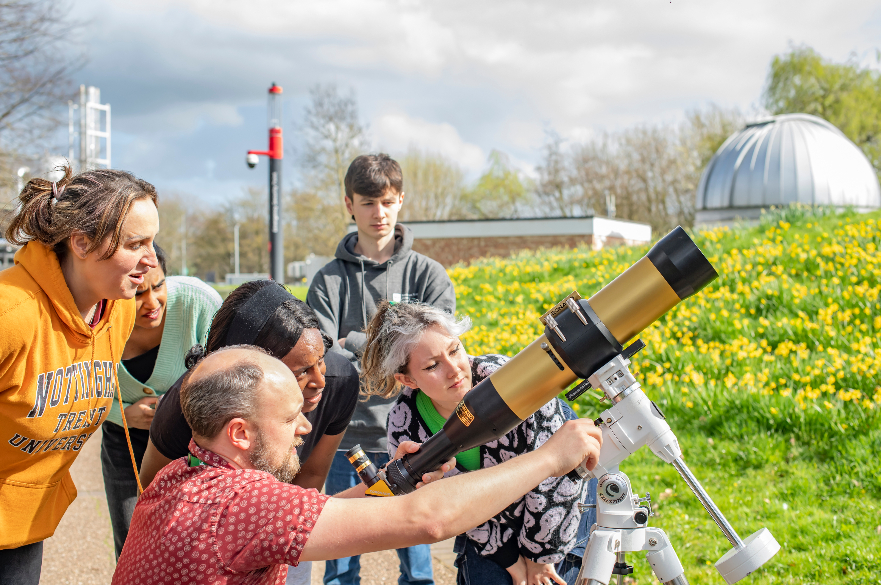
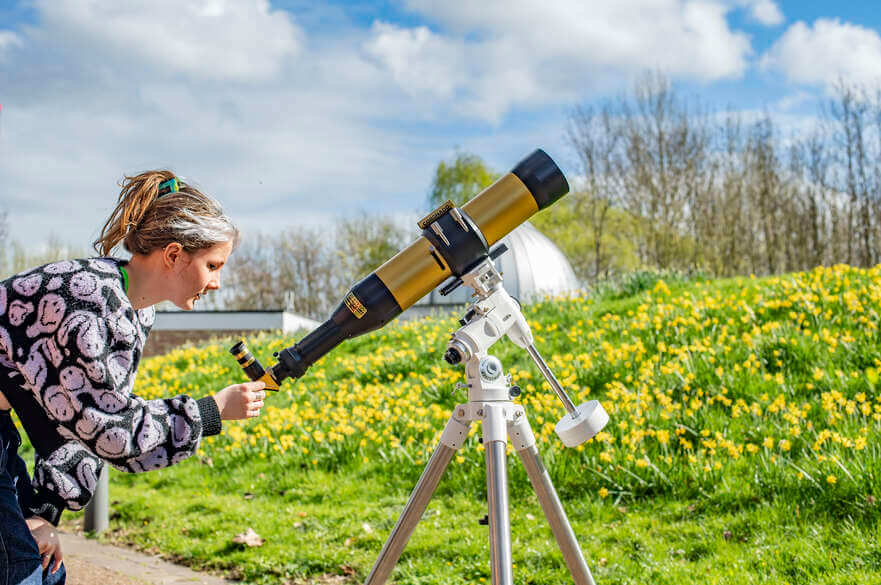
You’ll get to grips with the latest astronomical and scientific technology as you search the skies from our own on-campus observatory, equipped with optical and solar telescopes, and recognised by the International Astronomical Union. Alongside this, you’ll immerse yourself in core concepts of physics, from thermodynamics and quantum mechanics to the laws of motion and energy, giving you the combination of knowledge and hands-on experience you need to succeed.
You will do all this under the guidance of our expert physics teaching team, who have a huge range of research experience in areas including superhydrophobic surfaces, Medical Resonance Imaging, sustainability, and space weather.
Get ready to embark on an adventure with our study abroad programs at partner universities or by getting a work placement overseas. Both opportunities will boost your employability, build lifelong friendships, and allow you to experience the world in a whole new way.
-

Learn in inspiring environments
NTU’s astrophysics facilities include the Trent Astronomical Observatory, our on-campus observatory equipped with a unique 20-inch modified Newtonian, and a 14-inch Meade LX200 telescope.
-

Award-winning teaching team
Many of our expert physics team are Fellows and Senior Fellows of Advance HE and active researchers whose work directly informs their teaching, with many winning awards for innovation in teaching.
-
Top 20 in the UK
for student satisfaction in Physics (Complete University Guide 2027)
-

Complete a year’s work placement in industry
Recent students have worked in a variety of roles including at CERN, E.ON, The Netherlands Forensic Institute, and STFC.
Studying astrophysics at university also allows you to develop key skills in areas that are highly in demand for modern employers. This includes honing your mathematical and algebraic skills, and introducing you to programming for physics, empowering you to develop and implement creative solutions using software such as Python, LabVIEW, MATLAB, and C.
You’ll be encouraged to consider these ideas alongside the requirements of a sustainable future, balance practical and lab work alongside more traditional academic study and research, and have the opportunity to consider enhancing your physics with astrophysics degree with a year-long work placement in industry.
Highlights of this physics with astrophysics degree include:
- Study in one of the world’s best student cities. Nottingham has been ranked one of the top 50 student cities in the world in the QS best Student Cities ranking for 2026.
- Be part of a strong, active and collaborative physics community that includes student societies, research groups and outreach projects, with opportunities for curricular and extracurricular activities.
- A personalised learning experience that allows you to shape your astrophysics degree to match your own interests and career goals.
- Active connections with industry and commerce that facilitate meaningful work-life experiences on our physics courses, and one-to-one personal tutoring and coaching at all stages of your degree.

Top 10 in the UK for teaching quality in Physics (Times and Sunday Times Good University Guide 2026)
Module information
Here’s a breakdown of what you’ll be studying throughout the course:
Learn how to use some of the mathematical tools necessary to understand Physics. Build on any previous knowledge of algebra, calculus and trigonometry, before studying the concepts of matrix and vector algebra and vector calculus.
20 credits
You'll develop an understanding of how force, motion, and energy are related, from classical to quantum mechanics. The module reinforces your ability to use mathematical techniques to model physical situations. Your understanding is developed through laboratory experiments and note taking.
20 credits
This module gives you an introduction to programming for physics and the knowledge and skills to implement software solutions with a focus on a sustainable future. You'll be using programming software such as Python, LabVIEW, MATLAB and C.
20 credits
Introducing the basic structure and model of both stable and unstable nucleus, this module explores radioactive decay and modern applications of ionising radiation. You'll explore beyond elementary nuclear physics to atomic bonding and some fundamental bulk properties of matter.
20 credits
Discover the key concepts in astronomy and astrophysics by studying a range of topics around the principles and applications of geometrical and physical optics. You'll study the composition of the Galaxy alongside concepts such as principles for propagation of light and refraction and reflection.
20 credits
Learn the skills needed to become a professional physicist in the module. You'll develop good laboratory practices such as lab notebook keeping, organisation and safety alongside learning how to interpret and report your findings.
20 credits
credits
credits
credits
credits
credits
credits
credits
credits
credits
credits
credits
credits
credits
credits
credits
credits
credits
credits
credits
credits
credits
credits
credits
credits
credits
credits
credits
credits
credits
credits
credits
credits
credits
credits
credits
credits
credits
credits
credits
credits
credits
credits
credits
credits
credits
credits
credits
credits
credits
credits
credits
credits
credits
credits
credits
credits
credits
credits
credits
credits
credits
credits
credits
credits
credits
credits
credits
credits
credits
credits
credits
credits
credits
credits
credits
credits
credits
credits
credits
credits
credits
credits
credits
credits
credits
credits
credits
credits
credits
credits
credits
credits
credits
credits
credits
credits
credits
credits
credits
credits
credits
credits
credits
credits
credits
credits
credits
credits
credits
credits
credits
credits
credits
credits
credits
credits
credits
credits
credits
credits
credits
credits
credits
credits
credits
credits
credits
credits
credits
credits
credits
credits
credits
credits
credits
credits
credits
credits
credits
credits
credits
credits
credits
credits
credits
credits
credits
credits
credits
credits
credits
credits
credits
credits
credits
credits
credits
credits
credits
credits
credits
credits
credits
credits
credits
credits
credits
credits
credits
Introducing the principles and applications of thermodynamics and statistical mechanics, this module includes exploring heat transfer processes, thermal properties of materials, and the behaviour of gases, liquids and solids.
20 credits
Explore the fundamental forces of nature: gravity, electromagnetism, and the strong and weak nuclear forces. You'll develop your understanding and appreciation of the principles and applications of fundamental forces and of the relationships between them. Study concepts such as Kepler's Laws, Newtonian gravitation and Einstein's special theory of relativity.
20 credits
In this module you will study modern quantum mechanics. Through the application of the 1-D and 3-D Schrödinger equation you'll learn how to model problems and scenarios.
20 credits
Discover the principles and applications of geometrical and physical optics and digital data / image processing. Studying topics such as lasers, lenses and electromagnetic waves, you'll get an overview of the application of digital processing to scientific images.
20 credits
Learn how to achieve your project objectives within agreed financial, temporal and creative parameters. By working on a project you'll establish creative and commercially viable outputs and solutions to contemporary problems alongside developing strong project management and team working skills - all valuable skills when you graduate.
20 credits
You'll study the physics related to astronomical objects such as stellar evolution and structure. Other topics covered in this module include kinetic temperature, thermal and non-thermal emission, dust and cosmic rays are explored.
20 credits
credits
credits
credits
credits
credits
credits
credits
credits
credits
credits
credits
credits
credits
credits
credits
credits
credits
credits
credits
credits
credits
credits
credits
credits
credits
credits
credits
credits
credits
credits
credits
credits
credits
credits
credits
credits
credits
credits
credits
credits
credits
credits
credits
credits
credits
credits
credits
credits
credits
credits
credits
credits
credits
credits
credits
credits
credits
credits
credits
credits
credits
credits
credits
credits
credits
credits
credits
credits
credits
credits
credits
credits
credits
credits
credits
credits
credits
credits
credits
credits
credits
credits
credits
credits
credits
credits
credits
credits
credits
credits
credits
credits
credits
credits
credits
credits
credits
credits
credits
credits
credits
credits
credits
credits
credits
credits
credits
credits
credits
credits
credits
credits
credits
credits
credits
credits
credits
credits
credits
credits
credits
credits
credits
credits
credits
credits
credits
credits
credits
credits
credits
credits
credits
credits
credits
credits
credits
credits
credits
credits
credits
credits
credits
credits
credits
credits
credits
credits
credits
credits
credits
credits
credits
credits
credits
credits
credits
credits
credits
credits
credits
credits
credits
credits
credits
credits
credits
credits
credits
Optional year-long work placement. If you are not taking a placement you will progress directly to your final year in year three.
credits
credits
credits
credits
credits
credits
credits
credits
credits
credits
credits
credits
credits
credits
credits
credits
credits
credits
credits
credits
credits
credits
credits
credits
credits
credits
credits
credits
credits
credits
credits
credits
credits
credits
credits
credits
credits
credits
credits
credits
credits
credits
credits
credits
credits
credits
credits
credits
credits
credits
credits
credits
credits
credits
credits
credits
credits
credits
credits
credits
credits
credits
credits
credits
credits
credits
credits
credits
credits
credits
credits
credits
credits
credits
credits
credits
credits
credits
credits
credits
credits
credits
credits
credits
credits
credits
credits
credits
credits
credits
credits
credits
credits
credits
credits
credits
credits
credits
credits
credits
credits
credits
credits
credits
credits
credits
credits
credits
credits
credits
credits
credits
credits
credits
credits
credits
credits
credits
credits
credits
credits
credits
credits
credits
credits
credits
credits
credits
credits
credits
credits
credits
credits
credits
credits
credits
credits
credits
credits
credits
credits
credits
credits
credits
credits
credits
credits
credits
credits
credits
credits
credits
credits
credits
credits
credits
credits
credits
credits
credits
credits
credits
credits
credits
credits
credits
credits
credits
credits
credits
credits
credits
credits
credits
credits
Core modules
Study both the theoretical topics and applying your learning to industry and research. You'll be covering topics such as momentum transport, Newtonian and non-Newtonian flow and Bernoilli's equation.
20 credits
Study the instrumentation onboard satellites, such as telescopes and spectrometers. You'll explore the benefits and limitations of orbiting instrumentation alongside looking at a range of modern international space missions. Topics include solar system monitoring, Earth observations and satellite orbits, altitude and pointing.
20 credits
Discover the theories surrounding cosmology and general relativity and the mathematical tools needed to understand them. Topics study include: Geometry of the universe and Friedmann models, standard big bang cosmology, special relativity and Geodesics and the Schwarzschild metric.
20 credits
This module will give you training in the skills and techniques you need to undertake physics research and project work. With a particular focus upon transferable skills and employability, you'll cover a wide range of topics including literature search and analysis, Ethical issues, risk assessments, scientific writing and progress reporting.
40 credits
credits
credits
credits
credits
credits
credits
credits
credits
credits
credits
credits
credits
credits
credits
credits
credits
credits
credits
credits
credits
credits
Optional modules – choose one
This module introduces analogue and digital electronics, including PCB design and fabrication and using common sector-standard equipment in a laboratory environment. You'll study topics such as logic, control systems, microcontrollers and transistors.
20 credits
Learn about alternative sources of energy and the physics of climate change in this module. You'll study topics such as solar radiation, space weather, global warming and the United Nations Sustainable Development Goals.
20 credits
Discover the macroscopic properties of matter, focusing on solid state and semiconductor physics. You'll begin with a review of statistical mechanics to progresses and look at topics such as diffraction patterns, magnetism and waves.
20 credits
credits
credits
credits
credits
credits
credits
credits
credits
credits
credits
credits
credits
credits
credits
credits
credits
credits
credits
credits
credits
credits
credits
credits
credits
credits
credits
credits
credits
credits
credits
credits
credits
credits
credits
credits
credits
credits
credits
credits
credits
credits
credits
credits
credits
credits
credits
credits
credits
credits
credits
credits
credits
credits
credits
credits
credits
credits
credits
credits
credits
credits
credits
credits
credits
credits
credits
credits
credits
credits
credits
credits
credits
credits
credits
credits
credits
credits
credits
credits
credits
credits
credits
credits
credits
credits
credits
credits
credits
credits
credits
credits
credits
credits
credits
credits
credits
credits
credits
credits
credits
credits
credits
credits
credits
credits
credits
credits
credits
credits
credits
credits
credits
credits
credits
credits
credits
credits
credits
credits
credits
credits
credits
credits
credits
credits
credits
credits
credits
credits
credits
credits
credits
credits
credits
credits
credits
credits
credits
credits
credits
credits
credits
credits
credits
credits
credits
credits
credits
credits
credits
credits
credits
credits
credits
credits
credits
credits
credits
credits
credits
credits
credits
credits
credits
credits
credits
credits
credits
credits
credits
credits
credits
credits
credits
credits
credits
credits
credits
credits
credits
credits
credits
credits
credits
credits
credits
credits
credits
credits
credits
credits
credits
credits
credits
credits
credits
credits
credits
credits
credits
credits
credits
credits
credits
credits
credits
credits
credits
credits
credits
credits
credits
credits
credits
credits
credits
credits
credits
credits
credits
credits
credits
credits
credits
credits
credits
credits
credits
credits
credits
credits
credits
credits
credits
credits
credits
credits
credits
credits
credits
credits
credits
credits
credits
credits
credits
credits
credits
credits
credits
credits
credits
credits
credits
credits
credits
credits
credits
credits
credits
credits
credits
credits
credits
credits
credits
credits
credits
credits
credits
credits
credits
credits
credits
credits
credits
credits
credits
credits
credits
credits
credits
credits
credits
credits
credits
credits
credits
credits
credits
credits
credits
credits
credits
credits
credits
credits
credits
credits
credits
credits
credits
credits
credits
credits
credits
credits
credits
credits
credits
credits
credits
credits
credits
credits
credits
credits
credits
credits
credits
credits
credits
credits
credits
credits
credits
credits
credits
credits
credits
credits
credits
credits
credits
credits
credits
credits
credits
credits
credits
credits
credits
credits
credits
credits
credits
credits
credits
credits
credits
credits
credits
credits
credits
credits
credits
credits
credits
credits
credits
credits
credits
credits
credits
credits
credits
credits
credits
credits
credits
credits
credits
credits
credits
credits
credits
credits
credits
credits
credits
credits
credits
credits
credits
credits
credits
credits
credits
credits
credits
credits
credits
credits
credits
credits
credits
credits
credits
credits
credits
credits
credits
credits
credits
credits
credits
credits
credits
credits
credits
credits
credits
credits
credits
credits
credits
credits
credits
credits
credits
credits
credits
credits
credits
credits
credits
credits
credits
credits
credits
credits
credits
credits
credits
credits
credits
credits
credits
credits
credits
credits
credits
credits
credits
credits
credits
credits
credits
credits
credits
credits
credits
credits
credits
credits
credits
credits
credits
credits
credits
credits
credits
credits
credits
credits
credits
credits
credits
credits
credits
credits
credits
credits
credits
credits
credits
credits
credits
credits
credits
credits
credits
credits
credits
credits
credits
credits
credits
credits
credits
credits
credits
credits
credits
credits
credits
credits
credits
credits
credits
credits
credits
credits
credits
credits
credits
credits
credits
credits
credits
credits
credits
credits
credits
credits
credits
credits
credits
credits
credits
credits
credits
credits
credits
credits
credits
credits
credits
credits
credits
credits
credits
credits
credits
credits
credits
credits
credits
credits
credits
credits
credits
credits
credits
credits
credits
credits
credits
credits
credits
credits
credits
credits
credits
credits
credits
credits
credits
credits
credits
credits
credits
credits
credits
credits
credits
credits
credits
credits
credits
credits
credits
credits
credits
credits
credits
credits
credits
credits
credits
credits
credits
credits
credits
credits
credits
credits
credits
credits
credits
credits
credits
credits
credits
credits
credits
credits
credits
credits
credits
credits
credits
credits
credits
credits
credits
credits
credits
credits
credits
credits
credits
credits
credits
credits
credits
credits
credits
credits
credits
credits
credits
credits
credits
credits
credits
credits
credits
credits
credits
credits
credits
credits
credits
credits
credits
credits
credits
credits
credits
credits
credits
credits
credits
credits
credits
credits
credits
credits
credits
credits
credits
credits
credits
credits
credits
credits
credits
credits
credits
credits
credits
credits
credits
credits
credits
credits
credits
credits
credits
credits
credits
credits
credits
credits
credits
credits
credits
credits
credits
credits
credits
credits
credits
credits
credits
credits
credits
credits
credits
credits
credits
credits
credits
credits
credits
credits
credits
credits
credits
credits
credits
credits
credits
credits
credits
credits
credits
credits
credits
credits
credits
credits
credits
credits
credits
credits
credits
credits
credits
credits
credits
credits
credits
credits
credits
credits
credits
credits
credits
credits
credits
credits
credits
credits
credits
credits
credits
credits
credits
credits
credits
credits
credits
credits
credits
credits
credits
credits
credits
credits
credits
credits
credits
credits
credits
credits
credits
credits
credits
credits
credits
credits
credits
credits
credits
credits
credits
credits
credits
credits
credits
credits
credits
credits
credits
credits
credits
credits
credits
credits
credits
credits
credits
credits
credits
credits
credits
credits
credits
credits
credits
credits
credits
credits
credits
credits
credits
credits
credits
credits
credits
credits
credits
credits
credits
credits
credits
credits
credits
credits
credits
credits
credits
credits
credits
credits
credits
credits
credits
credits
credits
credits
credits
credits
credits
credits
credits
credits
credits
credits
credits
credits
credits
credits
credits
credits
credits
credits
credits
credits
credits
credits
credits
credits
credits
credits
credits
credits
credits
credits
credits
credits
credits
credits
credits
credits
credits
credits
credits
credits
credits
credits
credits
credits
credits
credits
credits
credits
credits
credits
credits
credits
credits
credits
credits
credits
credits
credits
credits
credits
credits
credits
credits
credits
credits
credits
credits
credits
credits
credits
credits
credits
credits
credits
credits
credits
credits
credits
credits
credits
credits
credits
credits
credits
credits
credits
credits
credits
credits
credits
credits
credits
credits
credits
credits
credits
credits
credits
credits
credits
credits
credits
credits
credits
credits
credits
credits
credits
credits
credits
credits
credits
credits
credits
credits
credits
credits
credits
credits
credits
credits
credits
credits
credits
credits
credits
credits
credits
credits
credits
credits
credits
credits
credits
credits
credits
credits
credits
credits
credits
credits
credits
credits
credits
credits
credits
credits
credits
credits
credits
credits
credits
credits
credits
credits
credits
credits
credits
credits
credits
credits
credits
credits
credits
credits
credits
credits
credits
credits
credits
credits
credits
credits
credits
credits
credits
credits
credits
credits
credits
credits
credits
credits
credits
credits
credits
credits
credits
credits
credits
credits
credits
credits
credits
credits
credits
credits
credits
credits
credits
credits
credits
credits
credits
credits
credits
credits
credits
credits
credits
credits
credits
credits
credits
credits
credits
credits
credits
credits
credits
credits
credits
credits
credits
credits
credits
credits
credits
credits
credits
credits
credits
credits
credits
credits
credits
credits
credits
credits
credits
credits
credits
credits
credits
credits
credits
credits
credits
credits
credits
credits
credits
credits
credits
credits
credits
credits
credits
credits
credits
credits
credits
credits
credits
credits
credits
credits
credits
credits
credits
credits
credits
credits
credits
credits
credits
credits
credits
credits
credits
credits
credits
credits
credits
credits
credits
credits
credits
credits
credits
credits
credits
credits
credits
credits
credits
credits
credits
credits
credits
credits
credits
credits
credits
credits
credits
credits
credits
credits
credits
credits
credits
credits
credits
credits
credits
credits
credits
credits
credits
credits
credits
credits
credits
credits
credits
credits
credits
credits
credits
credits
credits
credits
credits
credits
credits
credits
credits
credits
credits
credits
credits
credits
credits
credits
credits
credits
credits
credits
credits
credits
credits
credits
credits
credits
credits
credits
credits
credits
credits
credits
credits
credits
credits
credits
credits
credits
credits
credits
credits
credits
credits
credits
credits
credits
credits
We regularly review our course content based on student and employer feedback to ensure they remain current and relevant. This may result in changes to module content or availability in future years. Optional modules will only run where there is sufficient demand. This will be determined on a case-by-case basis to protect the academic and student experience.
Student experience
Hands-on physics
How you're taught
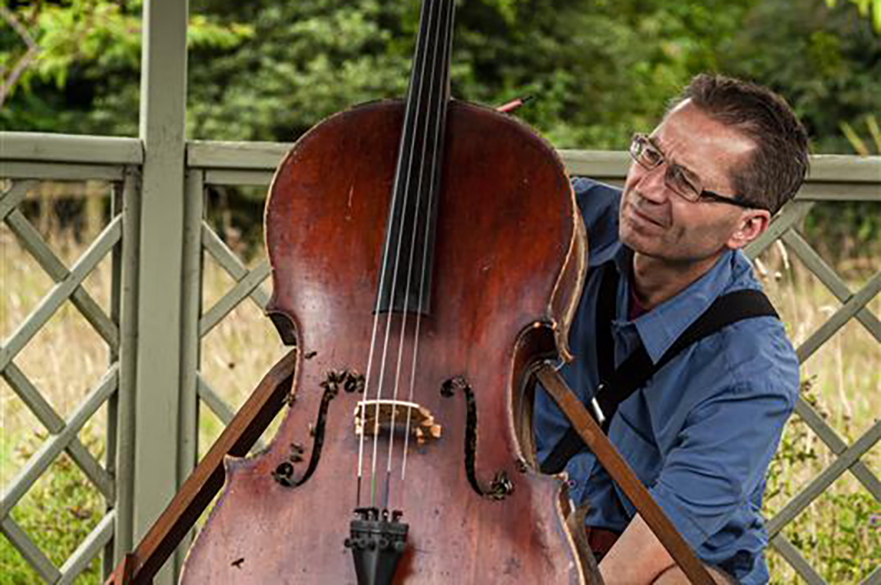
You’ll be learning from experts on this astrophysics degree. The majority of our teaching team are highly active in research, specialising in areas including imaging and sensing, geomagnetic activity, heritage and sustainability and space debris. Many of them also have industrial experience across the sector, and this fusion of knowledge, insight and experience feeds directly into all our physics degrees.
You’ll learn through a mix of:
- lectures that explore the core concepts of physics – from the classical theories to the latest scientific breakthroughs
- smaller group seminars and workshop sessions that are perfect for exploring big ideas, learning key skills, and developing collaborative working practices
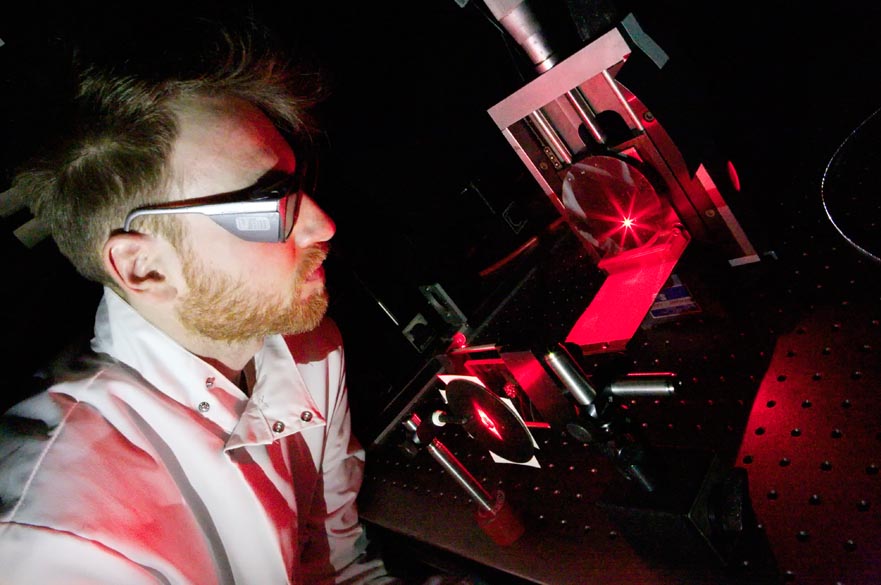
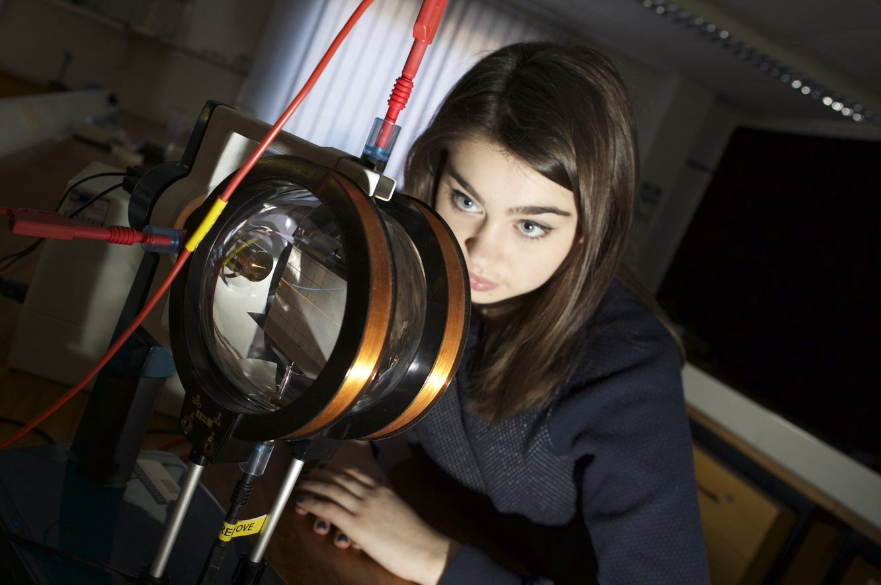
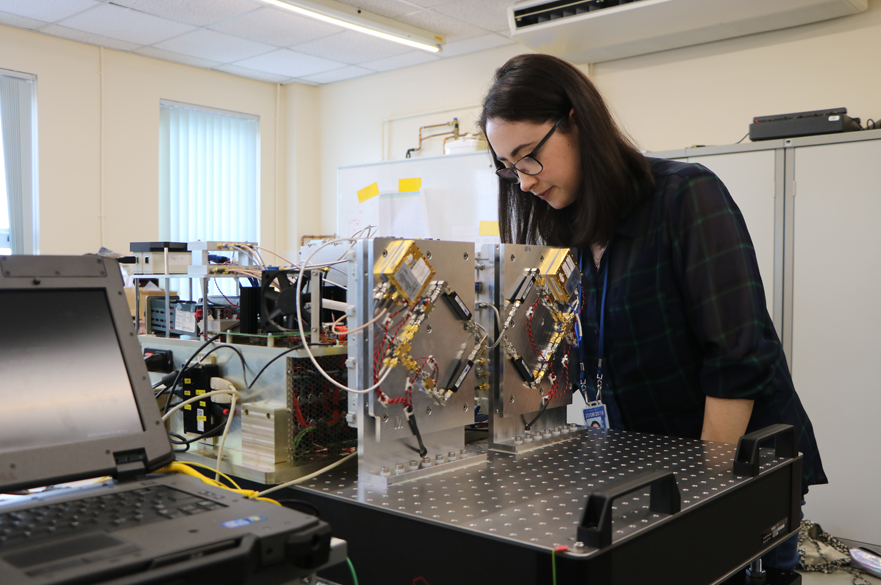
- practical sessions with our range of industry-standard facilities including CT and MRI scanners, microscopes, and our incredible on-campus observatory
- your own independent reading and research
- an optional year-long placement in industry taken between your second and third years of study
- various fieldtrips, typically including an excursion to Alton Towers theme park to investigate classical mechanics in action, and a trip to Rolls Royce facilities in Derby as part of a first-year programming work-like assignment
How you're assessed
Assessment methods for our physics with astrophysics degree are broad and diverse, and chosen to support your learning journey. Typically this means a combination of problem-based assignments, work-like experiences, presentations, project work and case files, skills portfolios, and examinations.
You’ll get regular feedback throughout the course to help you, usually through in-class or laboratory discussion with our teaching team, and written feedback on submitted work.
Contact hours
NTU Physics modules have around 40 hours of contact time – time spent with a tutor – and expect an additional 80 or so hours of independent study time outside of the classroom. Some modules, such as those with substantial laboratory work in our cutting-edge facilities, will have slightly more contact hours completing experiments and investigations with supervision.
Who will teach you?
Entry requirements
This course is in Clearing
Looking for a place in Clearing? We are accepting applications and would love to hear from you!
UK students
Clearing requirements
From 80 UCAS tariff points from up to 4 qualifications.
To discuss our entry requirements and see what we can offer you, call us now on +44 (0)115 848 6000. Alternatively, if you already have your qualifications, apply online via our Clearing Application form.
Additional requirements
- A-level or equivalent Maths and Physics grade D
To find out what qualifications have tariff points, please use our tariff calculator.
Additional requirements for UK students
There are no additional requirements for this course.
Contextual offers
If you don’t quite meet our entry requirements, we might be able to make you a lower offer based on a range of factors, including your background (such as where you live and the school or college you attended), your experiences and your individual circumstances (you may have been in care, for example). This is called a contextual offer, and we get data from UCAS to help make these decisions. We do this because we believe everyone with the potential to succeed at NTU should have the opportunity to do so, no matter what barriers you may face. Please note we do not make contextual offers during Clearing.
Meeting our entry requirements
Hundreds of qualifications in the UK have UCAS Tariff points attached to specific grades, including A-levels, BTECs, T Levels and many more. You can use your grades and points from up to four different qualifications to meet our criteria. Enter your predicted or achieved grades into our Tariff calculator to find out how many points your qualifications are worth.
Other qualifications and experience
NTU welcomes applications from students with non-standard qualifications and learning backgrounds, either for year one entry or for advanced standing beyond the start of a course into year 2 or beyond.
We consider study and/or credit achieved from a similar course at another institution (otherwise known as credit transfer), vocational and professional qualifications, and broader work or life experience.
Our Recognition of Prior Learning and Credit Transfer Policy outlines the process and options available for this route. If you wish to apply via Recognition of Prior Learning, please contact the central Admissions and Enquiries Team who will be able to support you through the process.
Getting in touch
If you need more help or information, get in touch through our enquiry form.
International students
Clearing requirements
From 80 UCAS tariff points from up to 4 qualifications.
To discuss our entry requirements and see what we can offer you, call us now on +44 (0)115 848 6000. Alternatively, if you already have your qualifications, apply online via our Clearing Application form.
Additional requirements
- A-level or equivalent Maths and Physics grade D. We accept equivalent qualifications from all over the world. Please check your international entry requirements by country.
- English language requirements: See our English language requirements page for requirements for your subject and information on alternative tests and Pre-sessional English.
Additional requirements for international students
There are no additional requirements for this course.
English language requirements
View our English language requirements for all courses, including alternative English language tests and country qualifications accepted by the University.
If you need help achieving the language requirements, we offer a Pre-Sessional English for Academic Purposes course on our City campus which is an intensive preparation course for academic study at NTU.
Other qualifications and experience
If you have the right level of qualifications, you may be able to start your Bachelors degree at NTU in year 2 or year 3. This is called ‘advanced standing’ entry and is decided on a case-by case basis after our assessment of your qualifications and experience.
You can view our Recognition of Prior Learning and Credit Transfer Policy which outlines the process and options available, such as recognising experiential learning and credit transfer.
Sign up for emails
Sign up to receive regular emails from the International Office. You'll hear about our news, scholarships and any upcoming events in your country with our expert regional teams.
Getting in touch
If you need advice about studying at NTU as an international student or how to apply, our international webpages are a great place to start. If you have any questions about your study options, your international qualifications, experience, grades or other results, please get in touch through our enquiry form. Our international teams are highly experienced in answering queries from students all over the world.
Policies
We strive to make our admissions procedures as fair and clear as possible. To find out more about how we make offers, visit our admissions policies page.