This course is in Clearing.
Offers from 56 tariff points
About this course
Your Foundation Year will introduce you to the skills you’ll need to prepare you for your future studies. From perfecting freehand drawing and sketchbook use to learning about materials and fabrication, you’ll gain practical experience through real-world briefs and develop your confidence in presenting your ideas.
This course has both eyes (and hands) on the technological side of design — the making and manufacturing of products, systems, and services. It’s a great option if you’re naturally curious about design engineering, and looking for a practical, hands-on approach.
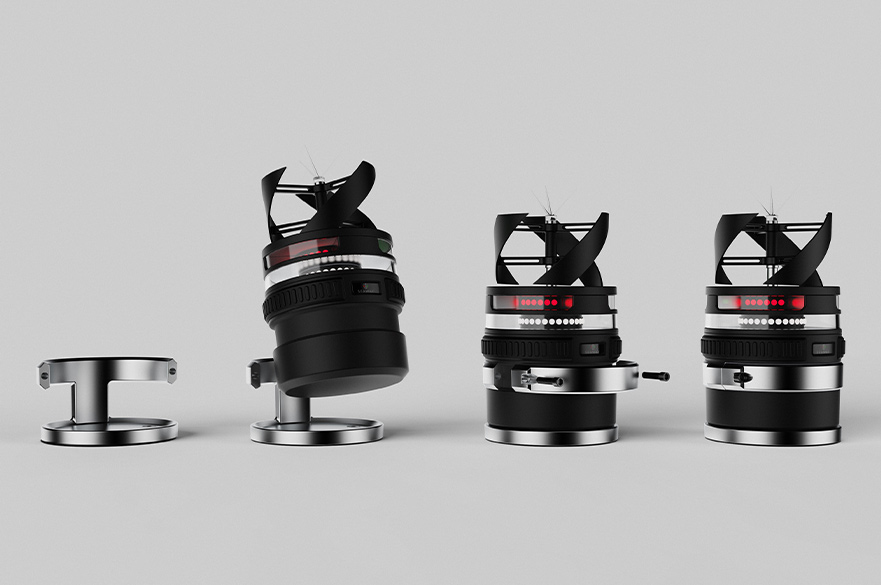
We’ll be analysing form and function in design, encouraging your creativity whilst also taking a specialist’s dive into areas like electronics and robotics, mechatronic techniques, materials testing, and manufacturing. We’ll explore the emerging trends — things like UX, smart technology, and sustainability.
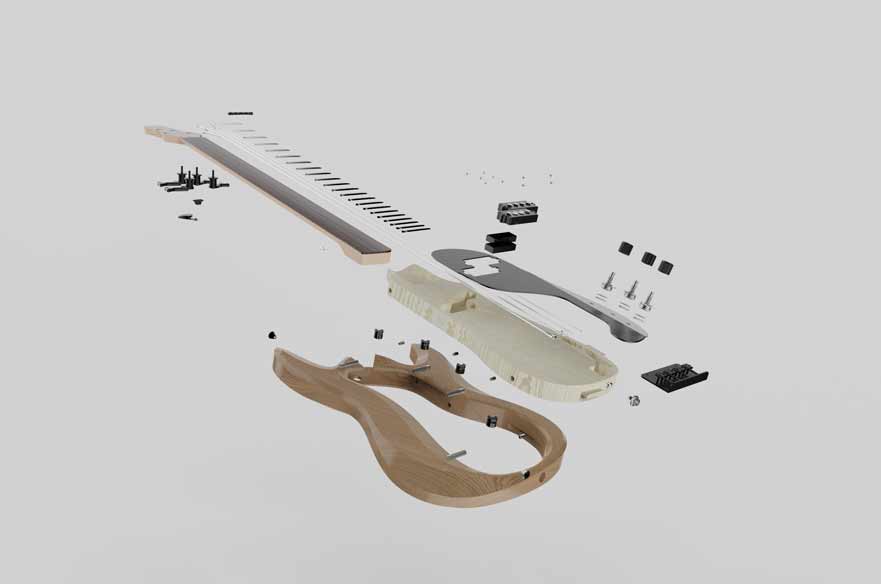
In product teardowns, you’ll ‘reverse engineer’ items from the inside, and then design out their flaws; on site visits, you’ll receive live project briefs from some of the industry’s biggest players, who’ll review and feedback on your work. You could even test your skills on a year-long professional placement; our previous assignments have included TATA, Samsung, Autodesk (San Francisco), and Hubs (Amsterdam).
We’ve developed this course to ensure you’re not just an option for employers, but their priority. You’ll graduate with a designer’s eye for innovation, an engineer’s skill in manufacturing, and a CEO’s appetite for the bottom line. That’s a powerful package — and it’s why our graduates secure work with companies like Dyson, Tesco, PepsiCo, Disney, Unilever, and McLaren F1.
Explore the work of our graduating students in our Student Showcase.
Compare our courses to find out how this course differs from BA (Hons) Product Design (with Foundation Year) and BA (Hons) Furniture and Product Design (with Foundation Year).
Reserve your place at our Experience Architecture & Product Design day on Wednesday 29 April 2026. Open to all, you'll get the opportunity to experience what it's like to study with us.
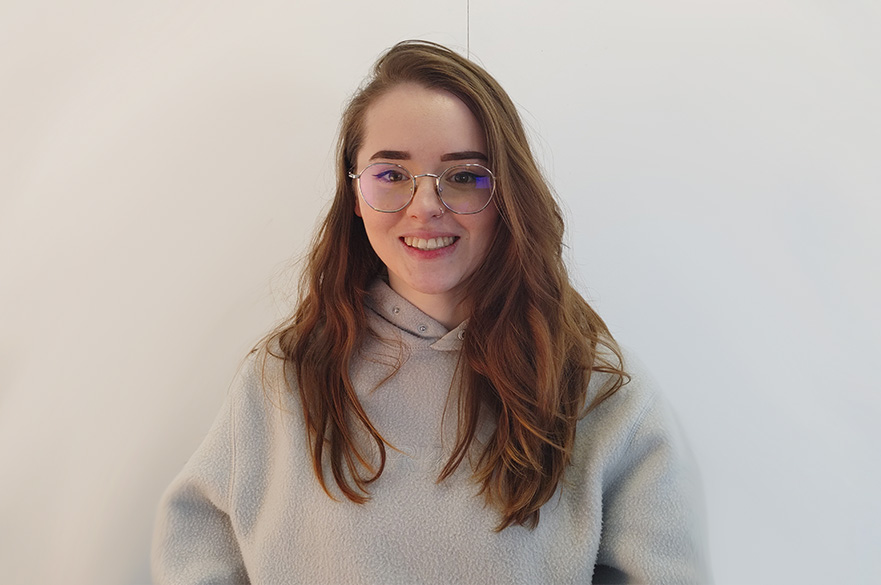
Main image: Sam Russell, BSc (Hons) Product Design student.
-

Top 15
NTU is ranked top 15 for Art & Design (Complete University Guide 2027).
-

3rd
for the number of undergraduate students studying Design studies (HESA 2024/25).
-

Industry-focused with great connections
through live projects and placements, you’ll be working with leading companies such as Tesco, PepsiCo and JCB. It’s great for your portfolio and CV, and you’ll also get excellent employability support.
-

2nd for sustainability
2nd most sustainable university in the world (UI GreenMetric World University Rankings 2024).
Together, we’ll be analysing the evolution of contemporary design — its history, its critical tradition, and its psychology. We’ll be looking at the ways in which good (and sometimes not so good) design principles are applied across products, systems and services, and the exciting role that we as designers and engineers can play. We’ll analyse manufacturing processes, and the growing importance of ethical, sustainable design; we’ll explore things like alternative energy systems, smart technology and robotics; and in the studio and workshops, we’ll grow your own ideas from sketches to prototypes.
5
Module information
Here’s a breakdown of what you’ll be studying throughout the course:
Core modules
Study renowned designs and designers while developing research abilities related to Making and Materials and Drawing and Seeing modules.
You will create a Professional Development Plan (PDP) for self-assessment and mid-year course review. Assessment includes workbook exercises, a poster presentation, and a visual essay, with opportunities for formative feedback to guide your development.
20 credits
In this module, you will immerse yourself in the creation and use of sketchbooks, a vital tool for designers and architects. Through dedicated drawing sessions and creative exercises, you will enhance your freehand drawing skills and use your sketchbook as a means of creative thinking.
You will engage in a series of prescribed drawing activities, receiving formative feedback through 1:1 sketchbook reviews and weekly "show and tell" sessions. By the end of the module, you will confidently understand the value of sketchbooks and be ready to use this skill moving forward in your studies.
20 credits
In this module you will explore the properties, textures, cost, durability, and sustainability of various materials. Engage in hands-on activities to understand basic fabrication techniques and make informed material choices for your design projects.
20 credits
Gain practical experience through hands-on drawing and making exercises, working collaboratively on initial design proposals, and completing a portfolio to showcase your creative solutions and teamwork skills.
You will learn to identify and adapt to design constraints by creating a small living space within a re-purposed shipping container. Explore celebrated micro-home examples and utilize constraints to drive your innovative solutions.
20 credits
Work with industry clients on real-world or simulated design briefs, using your foundational skills to address challenges and create drawings, models, and a final poster and presentation. Weekly tasks guide you with clear, short-term goals and help you develop your ideas step-by-step.
Build confidence in visual presentations and critiques, preparing you for undergraduate studies. Gain valuable insights into industry practices by exploring materials, fabrication methods, and collaboration, giving you a comprehensive understanding of how the industry operates.
40 credits
credits
credits
credits
credits
credits
credits
credits
credits
credits
credits
credits
credits
credits
credits
credits
credits
credits
credits
credits
credits
credits
credits
credits
credits
credits
credits
credits
credits
credits
credits
credits
credits
credits
credits
credits
credits
credits
credits
credits
credits
credits
credits
credits
credits
credits
credits
credits
credits
credits
credits
credits
credits
credits
credits
credits
credits
credits
credits
credits
credits
credits
credits
credits
credits
credits
credits
credits
credits
credits
credits
credits
credits
credits
credits
credits
credits
credits
credits
credits
credits
credits
credits
credits
credits
credits
credits
credits
credits
credits
credits
credits
credits
credits
credits
credits
credits
credits
credits
credits
credits
credits
credits
credits
credits
credits
credits
credits
credits
credits
credits
credits
credits
credits
credits
credits
credits
credits
credits
credits
credits
credits
credits
credits
credits
credits
credits
credits
credits
credits
credits
credits
credits
credits
credits
credits
credits
credits
credits
credits
credits
credits
credits
credits
credits
credits
credits
credits
credits
credits
credits
credits
credits
credits
credits
credits
credits
credits
credits
credits
credits
credits
credits
credits
credits
credits
credits
credits
credits
credits
credits
Core modules
You will develop an understanding of the key attributes of being a designer in all that you do, especially in applying safe working practices within the studios and workshops.
You will study issues and ideas exploring design from political, technological, social and economic perspectives.
As part of this module you will learn key design communication techniques, which is a significant tool for any designer in supporting the design process. This will include a range of media and methods in 2D and 3D i.e. sketching, basic modelling and presentation skills.
20 credits
You will develop your awareness of design; furthering your design skills and expanding on design communication as a tool to develop your own design processes. These skills will be developed by selecting and employing a range of media and design methods that will give you confidence to apply safe working practices within the studio and workshop environment.
Studies on the module involve a number of techniques including sketching and rendering, computer aided design (CAD) and digital modelling in 3D.
This module will expand your studies of design communication, providing a more advanced view and develop your designer toolkit.
20 credits
You will expand your understanding and the consideration of technology relative to materials and production, electronics, electrical systems and programming.
You will also be introduced to the basic principles and applications of technology and see how they affect the development of products and systems.
20 credits
Explore diverse product sectors and boost your knowledge of design, innovation and manufacturing processes, with a focus on creating impactful, sustainable products.
Develop your understanding of environmental and ethical considerations in design, learning how to choose manufacturing processes that support sustainability and responsible practices.
60 credits
credits
credits
credits
credits
credits
credits
credits
credits
credits
credits
credits
credits
credits
credits
credits
credits
credits
credits
credits
credits
credits
credits
credits
credits
credits
credits
credits
credits
credits
credits
credits
credits
credits
credits
credits
credits
credits
credits
credits
credits
credits
credits
credits
credits
credits
credits
credits
credits
credits
credits
credits
credits
credits
credits
credits
credits
credits
credits
credits
credits
credits
credits
credits
credits
credits
credits
credits
credits
credits
credits
credits
credits
credits
credits
credits
credits
credits
credits
credits
credits
credits
credits
credits
credits
credits
credits
credits
credits
credits
credits
credits
credits
credits
credits
credits
credits
credits
credits
credits
credits
credits
credits
credits
credits
credits
credits
credits
credits
credits
credits
credits
credits
credits
credits
credits
credits
credits
credits
credits
credits
credits
credits
credits
credits
credits
credits
credits
credits
credits
credits
credits
credits
credits
credits
credits
credits
credits
credits
credits
credits
credits
credits
credits
credits
credits
credits
credits
credits
credits
credits
credits
credits
credits
credits
credits
credits
credits
credits
credits
credits
credits
credits
credits
credits
credits
credits
credits
credits
credits
credits
credits
Core modules
Explore design's past, present, and future. Get hands-on experience through industry insights and discussions, helping you map out your future in the design world with practical, real-world knowledge.
Develop your critical and analytical skills and learn essential topics like design management, sustainability, and commercial awareness. Understand the wider design industry, including the roles and responsibilities of designers, manufacturers, and consumers, preparing you for a successful career.
20 credits
On this module you will explore advanced communication techniques like sketches, renderings, models, and prototypes. You'll learn how to use these tools to enhance your design process and create standout work.
You'll sharpen your communication skills to level up your portfolio, CV and other industry facing materials.
20 credits
You'll get hands on with real-world design challenges, working to tight deadlines and tackling issues that designers face every day.
Enhance your skills by creating everything from CAD models and prototypes to technical reports and sketches, all while learning to choose the best materials an approaches for your designs.
Develop creative problem-solving abilities, whether working on your own or as part of a team. All preparing you for the fast-paced world of product design.
20 credits
This module gives you the opportunity to explore and research a subject of your interest, shaping your design ideas and set a clear plan for your work throughout the year.
You’ll create a dynamic portfolio as you’re challenged to source information, build a strong argument and reflect critically on your design journey.
20 credits
You will have themes, provided by your course team, that you can select a project from, and you will work on this for the entirety of the module.
This module will help you develop your ability to conduct a project, integrating knowledge and skills you have gained from the programme.
This module is design-orientated which may involve selection of materials, processes, prototype making, product testing and evaluation. Your approach to practical work will show autonomy, initiative, risk-taking and innovation and be clearly articulated and contextualised through visual, written and verbal means.
40 credits
credits
credits
credits
credits
credits
credits
credits
credits
credits
credits
credits
credits
credits
credits
credits
credits
credits
credits
credits
credits
credits
credits
credits
credits
credits
credits
credits
credits
credits
credits
credits
credits
credits
credits
credits
credits
credits
credits
credits
credits
credits
credits
credits
credits
credits
credits
credits
credits
credits
credits
credits
credits
credits
credits
credits
credits
credits
credits
credits
credits
credits
credits
credits
credits
credits
credits
credits
credits
credits
credits
credits
credits
credits
credits
credits
credits
credits
credits
credits
credits
credits
credits
credits
credits
credits
credits
credits
credits
credits
credits
credits
credits
credits
credits
credits
credits
credits
credits
credits
credits
credits
credits
credits
credits
credits
credits
credits
credits
credits
credits
credits
credits
credits
credits
credits
credits
credits
credits
credits
credits
credits
credits
credits
credits
credits
credits
credits
credits
credits
credits
credits
credits
credits
credits
credits
credits
credits
credits
credits
credits
credits
credits
credits
credits
credits
credits
credits
credits
credits
credits
credits
credits
credits
credits
credits
credits
credits
credits
credits
credits
credits
credits
credits
credits
credits
credits
credits
credits
credits
credits
Core modules
This module allows you to dive into a topic you're passionate about. Research and create a scoping document that highlights your key findings, setting the stage for your future design work.
You'll use this module to explore relevant subjects and set the foundation for your self-directed project.
20 credits
This module encourages you to explore, model, research, propose and develop ideas, concepts and products through a number of chosen and self-regulated projects. The synthesis of information, skills and learned knowledge will help you develop your portfolio and personal stance on contemporary design.
You will be tutored by academic staff who have a rich experience of professional design practice, who will guide you through the development of your projects.
Your work will be driven by live industrial/commercial input and partners, developing real world solutions. The objectives of this module are therefore to promote the application of your skills, knowledge and understanding of design methodologies in the creative realisation of products, and to understand your own practise in a professional context.
20 credits
This module encourages you to explore, research, propose and develop ideas, model, develop concepts and products through a chosen, self-regulated project.
The synthesis of information, skills and learned knowledge will help you develop your portfolio and personal stance on contemporary design. As a final year module, you are expected to draw upon the teaching and learning you have experienced over the previous years of study.
80 credits
In your final year, you'll be invited to display your work as part of NTU's Degree Shows. The events are an opportunity for all Final Year students studying ADBE's design-based courses to showcase their work to our network of industry professionals and prospective employers, invited specifically for this purpose.
credits
credits
credits
credits
credits
credits
credits
credits
credits
credits
credits
credits
credits
credits
credits
credits
credits
credits
credits
credits
credits
credits
credits
credits
credits
credits
credits
credits
credits
credits
credits
credits
credits
credits
credits
credits
credits
credits
credits
credits
credits
credits
credits
credits
credits
credits
credits
credits
credits
credits
credits
credits
credits
credits
credits
credits
credits
credits
credits
credits
credits
credits
credits
credits
credits
credits
credits
credits
credits
credits
credits
credits
credits
credits
credits
credits
credits
credits
credits
credits
credits
credits
credits
credits
credits
credits
credits
credits
credits
credits
credits
credits
credits
credits
credits
credits
credits
credits
credits
credits
credits
credits
credits
credits
credits
credits
credits
credits
credits
credits
credits
credits
credits
credits
credits
credits
credits
credits
credits
credits
credits
credits
credits
credits
credits
credits
credits
credits
credits
credits
credits
credits
credits
credits
credits
credits
credits
credits
credits
credits
credits
credits
credits
credits
credits
credits
credits
credits
credits
credits
credits
credits
credits
credits
credits
credits
credits
credits
credits
credits
credits
credits
credits
credits
credits
credits
credits
credits
credits
credits
credits
credits
credits
credits
credits
credits
credits
credits
credits
credits
credits
credits
credits
credits
credits
credits
credits
credits
credits
credits
credits
credits
credits
credits
credits
credits
credits
credits
credits
credits
credits
credits
credits
credits
credits
credits
credits
credits
credits
credits
credits
credits
credits
credits
credits
credits
credits
credits
credits
credits
credits
credits
credits
credits
credits
credits
credits
credits
credits
credits
credits
credits
credits
credits
credits
credits
credits
credits
credits
credits
credits
credits
credits
credits
credits
credits
credits
credits
credits
credits
credits
credits
credits
credits
credits
credits
credits
credits
credits
credits
credits
credits
credits
credits
credits
credits
credits
credits
credits
credits
credits
credits
credits
credits
credits
credits
credits
credits
credits
credits
credits
credits
credits
credits
credits
credits
credits
credits
credits
credits
credits
credits
credits
credits
credits
credits
credits
credits
credits
credits
credits
credits
credits
credits
credits
credits
credits
credits
credits
credits
credits
credits
credits
credits
credits
credits
credits
credits
credits
credits
credits
credits
credits
credits
credits
credits
credits
credits
credits
credits
credits
credits
credits
credits
credits
credits
credits
credits
credits
credits
credits
credits
credits
credits
credits
credits
credits
credits
credits
credits
credits
credits
credits
credits
credits
credits
credits
credits
credits
credits
credits
credits
credits
credits
credits
credits
credits
credits
credits
credits
credits
credits
credits
credits
credits
credits
credits
credits
credits
credits
credits
credits
credits
credits
credits
credits
credits
credits
credits
credits
credits
credits
credits
credits
credits
credits
credits
credits
credits
credits
credits
credits
credits
credits
credits
credits
credits
credits
credits
credits
credits
credits
credits
credits
credits
credits
credits
credits
credits
credits
credits
credits
credits
credits
credits
credits
credits
credits
credits
credits
credits
credits
credits
credits
credits
credits
credits
credits
credits
credits
credits
credits
credits
credits
credits
credits
credits
credits
credits
credits
credits
credits
credits
credits
credits
credits
credits
credits
credits
credits
credits
credits
credits
credits
credits
credits
credits
credits
credits
credits
credits
credits
credits
credits
credits
credits
credits
credits
credits
credits
credits
credits
credits
credits
credits
credits
credits
credits
credits
credits
credits
credits
credits
credits
credits
credits
credits
credits
credits
credits
credits
credits
credits
credits
credits
credits
credits
credits
credits
credits
credits
credits
credits
credits
credits
credits
credits
credits
credits
credits
credits
credits
credits
credits
credits
credits
credits
credits
credits
credits
credits
credits
credits
credits
credits
credits
credits
credits
credits
credits
credits
credits
credits
credits
credits
credits
credits
credits
credits
credits
credits
credits
credits
credits
credits
credits
credits
credits
credits
credits
credits
credits
credits
credits
credits
credits
credits
credits
credits
credits
credits
credits
credits
credits
credits
credits
credits
credits
credits
credits
credits
credits
credits
credits
credits
credits
credits
credits
credits
credits
credits
credits
credits
credits
credits
credits
credits
credits
credits
credits
credits
credits
credits
credits
credits
credits
credits
credits
credits
credits
credits
credits
credits
credits
credits
credits
credits
credits
credits
credits
credits
credits
credits
credits
credits
credits
credits
credits
credits
credits
credits
credits
credits
credits
credits
credits
credits
credits
credits
credits
credits
credits
credits
credits
credits
credits
credits
credits
credits
credits
credits
credits
credits
credits
credits
credits
credits
credits
credits
credits
credits
credits
credits
credits
credits
credits
credits
credits
credits
credits
credits
credits
credits
credits
credits
credits
credits
credits
credits
credits
credits
credits
credits
credits
credits
credits
credits
credits
credits
credits
credits
credits
credits
credits
credits
credits
credits
credits
credits
credits
credits
credits
credits
credits
credits
credits
credits
credits
credits
credits
credits
credits
credits
credits
credits
credits
credits
credits
credits
credits
credits
credits
credits
credits
credits
credits
credits
credits
credits
credits
credits
credits
credits
credits
credits
credits
credits
credits
credits
credits
credits
credits
credits
credits
credits
credits
credits
credits
credits
credits
credits
credits
credits
credits
credits
credits
credits
credits
credits
credits
credits
credits
credits
credits
credits
credits
credits
credits
credits
credits
credits
credits
credits
credits
credits
credits
credits
credits
credits
credits
credits
credits
credits
credits
credits
credits
credits
credits
credits
credits
credits
credits
credits
credits
credits
credits
credits
credits
credits
credits
credits
credits
credits
credits
credits
credits
credits
credits
credits
credits
credits
credits
credits
credits
credits
credits
credits
credits
credits
credits
credits
credits
credits
credits
credits
credits
credits
credits
credits
credits
credits
credits
credits
credits
credits
credits
credits
credits
credits
credits
credits
credits
credits
credits
credits
credits
credits
credits
credits
credits
credits
credits
credits
credits
credits
credits
credits
credits
credits
credits
credits
credits
credits
credits
credits
credits
credits
credits
credits
credits
credits
credits
credits
credits
credits
credits
credits
credits
credits
credits
credits
credits
credits
credits
credits
credits
credits
credits
credits
credits
credits
credits
credits
credits
credits
credits
credits
credits
credits
credits
credits
credits
credits
credits
credits
credits
credits
credits
credits
credits
credits
credits
credits
credits
credits
credits
credits
credits
credits
credits
credits
credits
credits
credits
credits
credits
credits
credits
credits
credits
credits
credits
credits
credits
credits
credits
credits
credits
credits
credits
credits
credits
credits
credits
credits
credits
credits
credits
credits
credits
credits
credits
credits
credits
credits
credits
credits
credits
credits
credits
credits
credits
credits
credits
credits
credits
credits
credits
credits
credits
credits
credits
credits
credits
credits
credits
credits
credits
credits
credits
credits
credits
credits
credits
credits
credits
credits
credits
credits
credits
credits
credits
credits
credits
credits
credits
credits
credits
credits
credits
credits
credits
credits
credits
credits
credits
credits
credits
credits
credits
credits
credits
credits
credits
credits
credits
credits
credits
credits
credits
credits
credits
credits
credits
credits
credits
credits
credits
credits
credits
credits
credits
credits
credits
credits
credits
credits
credits
credits
credits
credits
credits
credits
credits
credits
credits
credits
credits
credits
credits
credits
credits
credits
credits
credits
credits
credits
credits
credits
credits
credits
credits
credits
credits
credits
credits
credits
credits
credits
credits
credits
credits
credits
credits
credits
credits
credits
credits
credits
credits
credits
credits
credits
credits
credits
credits
credits
credits
credits
credits
credits
credits
credits
credits
credits
credits
credits
credits
credits
credits
credits
credits
credits
credits
credits
credits
credits
credits
credits
credits
credits
credits
credits
credits
credits
credits
credits
credits
credits
credits
credits
credits
credits
credits
credits
credits
credits
credits
credits
credits
credits
credits
credits
credits
credits
credits
credits
credits
credits
credits
credits
credits
credits
credits
credits
credits
credits
credits
credits
credits
credits
credits
credits
credits
credits
credits
credits
credits
credits
credits
credits
credits
credits
credits
credits
credits
credits
credits
credits
credits
credits
credits
credits
credits
credits
credits
credits
credits
credits
credits
credits
credits
credits
credits
credits
credits
credits
credits
credits
credits
credits
credits
credits
credits
credits
credits
credits
credits
credits
credits
credits
credits
credits
credits
credits
credits
credits
credits
credits
credits
credits
credits
credits
credits
credits
credits
credits
credits
credits
credits
credits
credits
We regularly review our course content based on student and employer feedback to ensure they remain current and relevant. This may result in changes to module content or availability in future years. Optional modules will only run where there is sufficient demand. This will be determined on a case-by-case basis to protect the academic and student experience.
Student experience




Student Work
Video Gallery
How you're taught
You'll learn through a mix of:
- lectures - covering the key theories
- seminars - smaller-group sessions perfect for learning key skills and collaborative working
- studio projects - working both independently and as groups
- workshops - supported by our team, you’ll experiment with materials and facilities such as model-making and 3D printing
- live briefs - from industry and competitions.
Beyond scheduled sessions, embrace independent study—preparing for lectures, researching, completing coursework, and expanding your portfolio through directed reading. Benefit from the insights of external professional practitioners, ensuring a continual enhancement of your learning with real-world perspectives.
100% of BSc (Hons) Product Design sandwich students have improved their career prospects because of their course (NTU Student Survey, 2024).
Our Product Design community
We have a strong sense of community on our Product Design courses. Our community is creative, supportive, and challenging. It allows you to work side-by-side with your classmates, tutors, and our technical and research experts as you find and establish your own design identity.
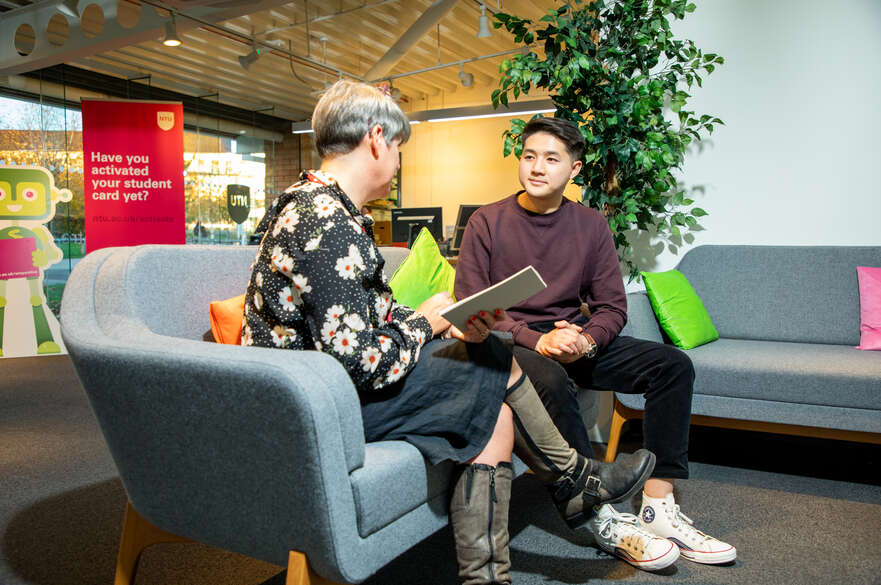
You'll become part of this community from your first day on the course. It's important that you feel comfortable working collaboratively for you to push the boundaries of design and tackle creative challenges that you'll face throughout your studies and in your career. You'll work in teams to complete lots of different design activities, from experimenting with ideas and plans in our studio space to developing CAD models and producing prototypes in our workshops.
Study trips
Field trips and study visits are an important part of your learning. Trips may include site visits and visits to practices, museums, exhibitions and events. Where a trip is mandatory it will be aligned to your modules and inform project work, and substantive costs – including travel and accommodation – will be paid for by the school.
Optional trips may also be organised which can provide additional opportunities to enhance your knowledge and experience. Optional trips will incur an additional cost of approximately £500 for participating students.
A valid passport and any associated visas will be required for trips outside of the UK.
Design studio
You'll benefit from dedicated studio space on the course. Our studio-based environment encourages experimentation with new methods, styles, and techniques, and pushes you to take your practice in any direction that motivates you. This approach reflects how the industry works and prepares you well for the collaborative approach that you'll practice throughout your career.
Live projects
As part of some modules, you'll work on live project briefs set by real industry clients. This can involve visits and workshops led by design teams from industry, and delivering presentations to them, providing the opportunity to showcase your skills and ability to potential employers. Previously our students have worked with Dyson, Cambridge Consultants, Tesco, PepsiCo, and Wilko.
Competitions
As well as working on briefs as part of the course, our students have taken part in and won competitions and national events. Recently, our students have participated in and won competitions, including the Engineers without Borders Challenge, the Starpack Awards, and the Design in Innovation and Plastics Award.
Conversations on Design
We run an exciting lecture series called 'Conversations on Design'. As part of this series practitioners from a range of industries come and deliver talks to students about their own practice, experiences in industry, and contemporary issues in their field. These talks are a great way to get first-hand insights into the workings of different organisations, practice and applications of design.
How you're assessed
People excel in different ways, and we want everybody to have the best possible chance of success. You will be assessed through:
- coursework, this will make up the majority of your assessments and will consist of reports, logs, reflective journals, a portfolio of work, reviews and visual essays
- exhibitions, showcasing your work and project outcomes.
Contact hours
The Integrated Foundation Year blends interactive, collaborative, and independent learning to build essential skills. Each 20-credit module involves around 200 hours of study, including 60 hours of live workshops, lectures, and team-based sessions, plus 140 hours of independent work such as preparing for assessments and reading.
The final 40-credit module totals about 400 hours, combining 150 hours of live studio sessions for hands-on experience with tutors and peers to develop practical skills, and 250 hours of independent study focused on coursework and research at your own pace, giving you the flexibility to fit learning around your schedule.
Who will teach you?



Entry requirements
This course is in Clearing
Looking for a place in Clearing? We are accepting applications and would love to hear from you!
UK students
Clearing requirements
From 56 UCAS tariff points from up to 3 qualifications.
To discuss our entry requirements and see what we can offer you, call us now on +44 (0)115 848 6000. Alternatively, if you already have your qualifications, apply online via our Clearing Application form.
Additional requirements
GCSE English and Maths grade C / 4.
Additional requirements for UK students
There are no additional requirements for this course.
Contextual offers
If you don’t quite meet our entry requirements, we might be able to make you a lower offer based on a range of factors, including your background (such as where you live and the school or college you attended), your experiences and your individual circumstances (you may have been in care, for example). This is called a contextual offer, and we get data from UCAS to help make these decisions. We do this because we believe everyone with the potential to succeed at NTU should have the opportunity to do so, no matter what barriers you may face.
Meeting our entry requirements
Hundreds of qualifications in the UK have UCAS Tariff points attached to specific grades, including A-levels, BTECs, T Levels and many more. You can use your grades and points from up to three different qualifications to meet our criteria. Enter your predicted or achieved grades into our Tariff calculator to find out how many points your qualifications are worth.
Other qualifications and experience
NTU welcomes applications from students with non-standard qualifications and learning backgrounds, either for year one entry or for advanced standing beyond the start of a course into year 2 or beyond.
We consider study and/or credit achieved from a similar course at another institution (otherwise known as credit transfer), vocational and professional qualifications, and broader work or life experience.
Our Recognition of Prior Learning and Credit Transfer Policy outlines the process and options available for this route. If you wish to apply via Recognition of Prior Learning, please contact the central Admissions and Enquiries Team who will be able to support you through the process.
Getting in touch
If you need more help or information, get in touch through our enquiry form.
International students
Clearing requirements
From 56 UCAS tariff points from up to 3 qualifications.
To discuss our entry requirements and see what we can offer you, call us now on +44 (0)115 848 6000. Alternatively, if you already have your qualifications, apply online via our Clearing Application form.
Additional requirements
GCSE English and Maths grade C / 4. We accept equivalent qualifications from all over the world. Please check your international entry requirements by country
English language requirements: See our English language requirements page for requirements for your subject and information on alternative tests and Pre-sessional English.
Additional requirements for international students
There are no additional requirements for this course.
English language requirements
View our English language requirements for all courses, including alternative English language tests and country qualifications accepted by the University.
If you need help achieving the language requirements, we offer a Pre-Sessional English for Academic Purposes course on our City campus which is an intensive preparation course for academic study at NTU.
Other qualifications and experience
If you have the right level of qualifications, you may be able to start your Bachelors degree at NTU in year 2 or year 3. This is called ‘advanced standing’ entry and is decided on a case-by case basis after our assessment of your qualifications and experience.
You can view our Recognition of Prior Learning and Credit Transfer Policy which outlines the process and options available, such as recognising experiential learning and credit transfer.
Sign up for emails
Sign up to receive regular emails from the International Office. You'll hear about our news, scholarships and any upcoming events in your country with our expert regional teams.
Getting in touch
If you need advice about studying at NTU as an international student or how to apply, our international webpages are a great place to start. If you have any questions about your study options, your international qualifications, experience, grades or other results, please get in touch through our enquiry form. Our international teams are highly experienced in answering queries from students all over the world.
Policies
We strive to make our admissions procedures as fair and clear as possible. To find out more about how we make offers, visit our admissions policies page.